
Golfer's elbow, or medial epicondylitis, is a painful condition that affects the tendon attachment on the inside of the elbow. The problems often develop gradually and are caused by overuse of the flexor muscles of the hand and wrist. Despite the name, golf does not necessarily have to be the cause – many people are affected in everyday life or at work.
What is golfer's elbow?
In golfer's elbow, the tendon attachment on the inside of the elbow becomes overloaded. The affected area is the medial epicondyle, where the flexor muscles of the fingers and wrist attach. This can lead to pain, weakness, and sometimes stiffness in the elbow. Although the symptoms are located in the elbow, they are often caused by the loading pattern of the hand and wrist.
Common causes & risk factors
Golfer's elbow is primarily caused by repetitive motion and heavy strain on the flexor muscles of the forearm. Activities such as golf, racket sports, manual labour, or repetitive lifting can trigger the problem. The risk factor increases with unilateral work where the wrist is repeatedly flexed under resistance. The condition is most common between the ages of 30 and 50 and slightly more common in people over 40.
Symptoms
- Diffuse pain and tenderness on the inside of the elbow
- Increased pain when bending the wrist against resistance
- Weakness or powerlessness in the hand when strained
- Tenderness, warmth, or stiffness in the elbow
When should you seek medical attention?
Contact your healthcare provider if the pain does not improve after a few weeks of self-care, if you experience persistent weakness in your hand, or if everyday movements become severely limited.
Recommended protection & support
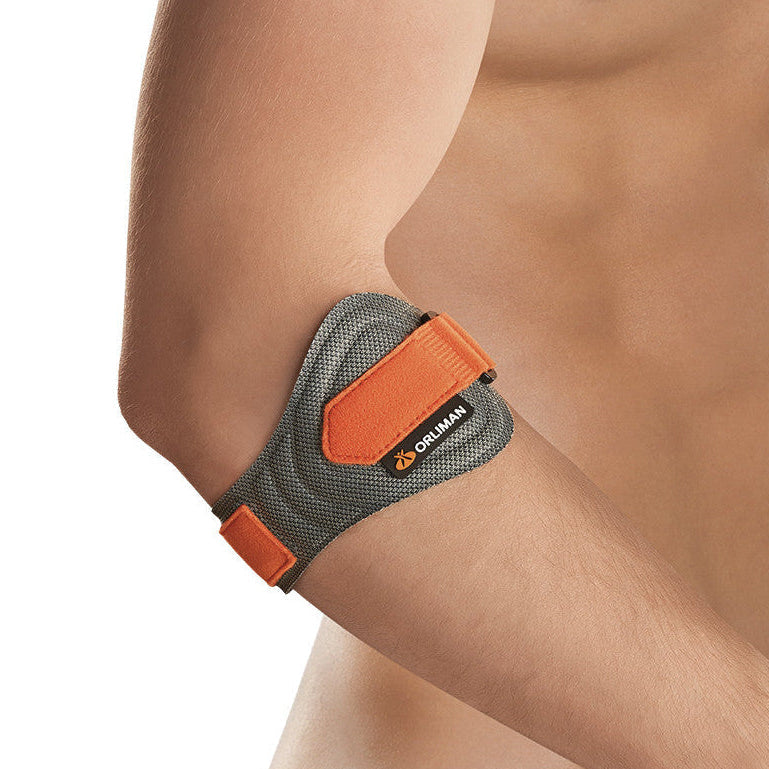
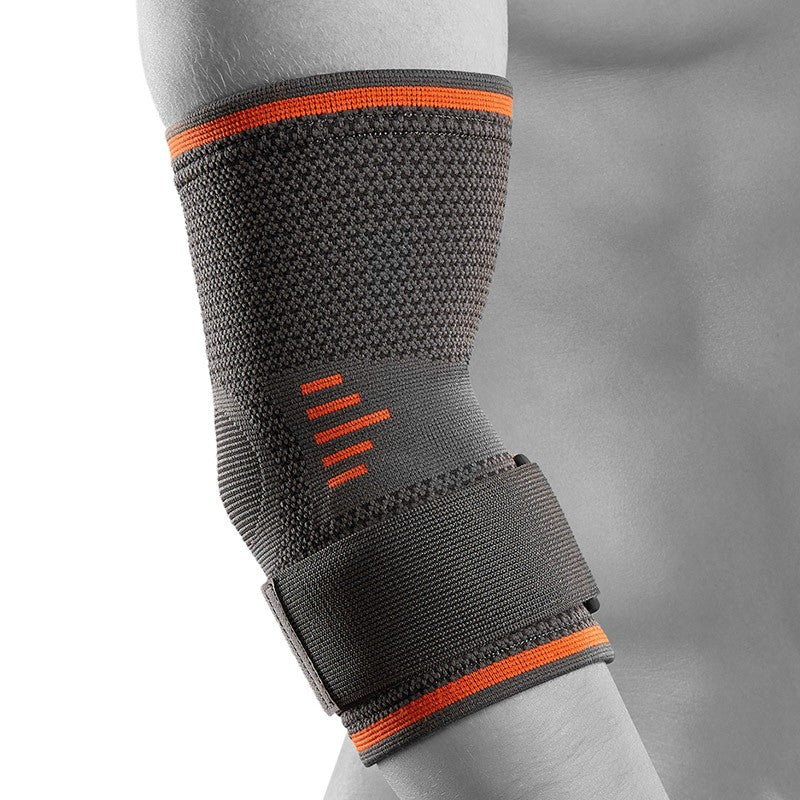
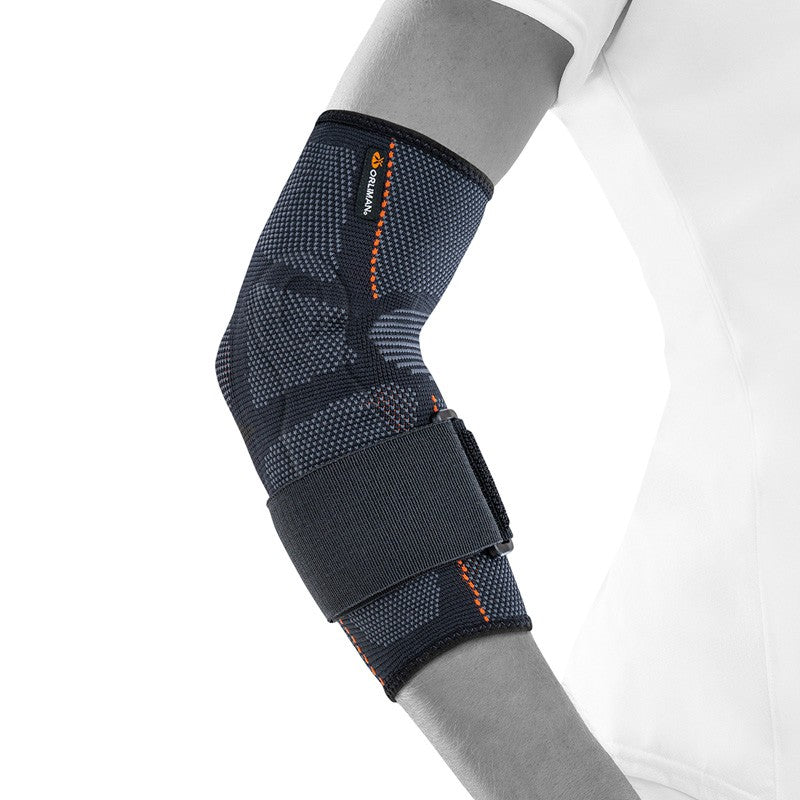
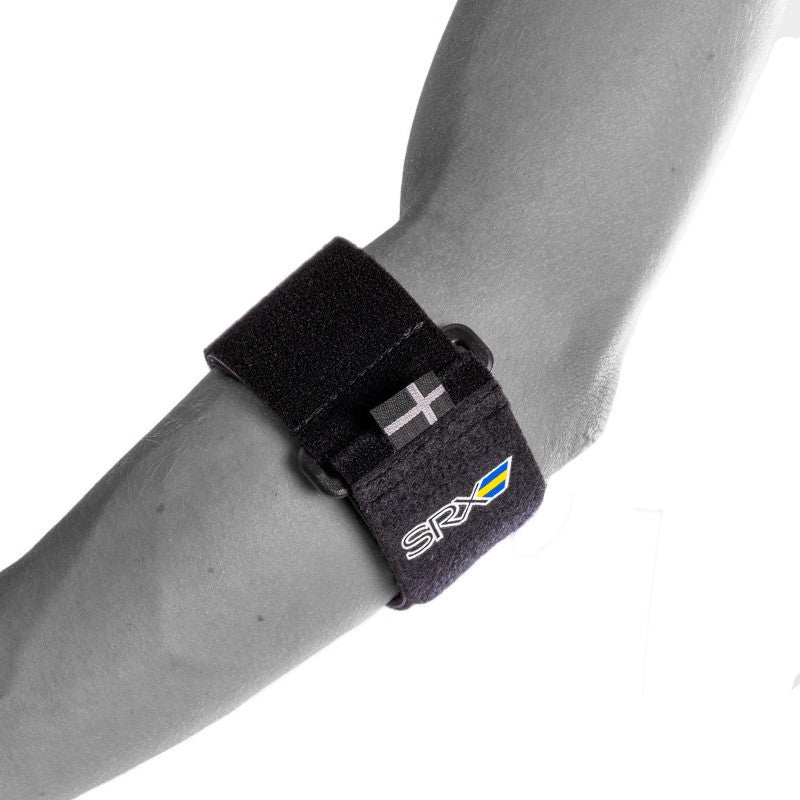
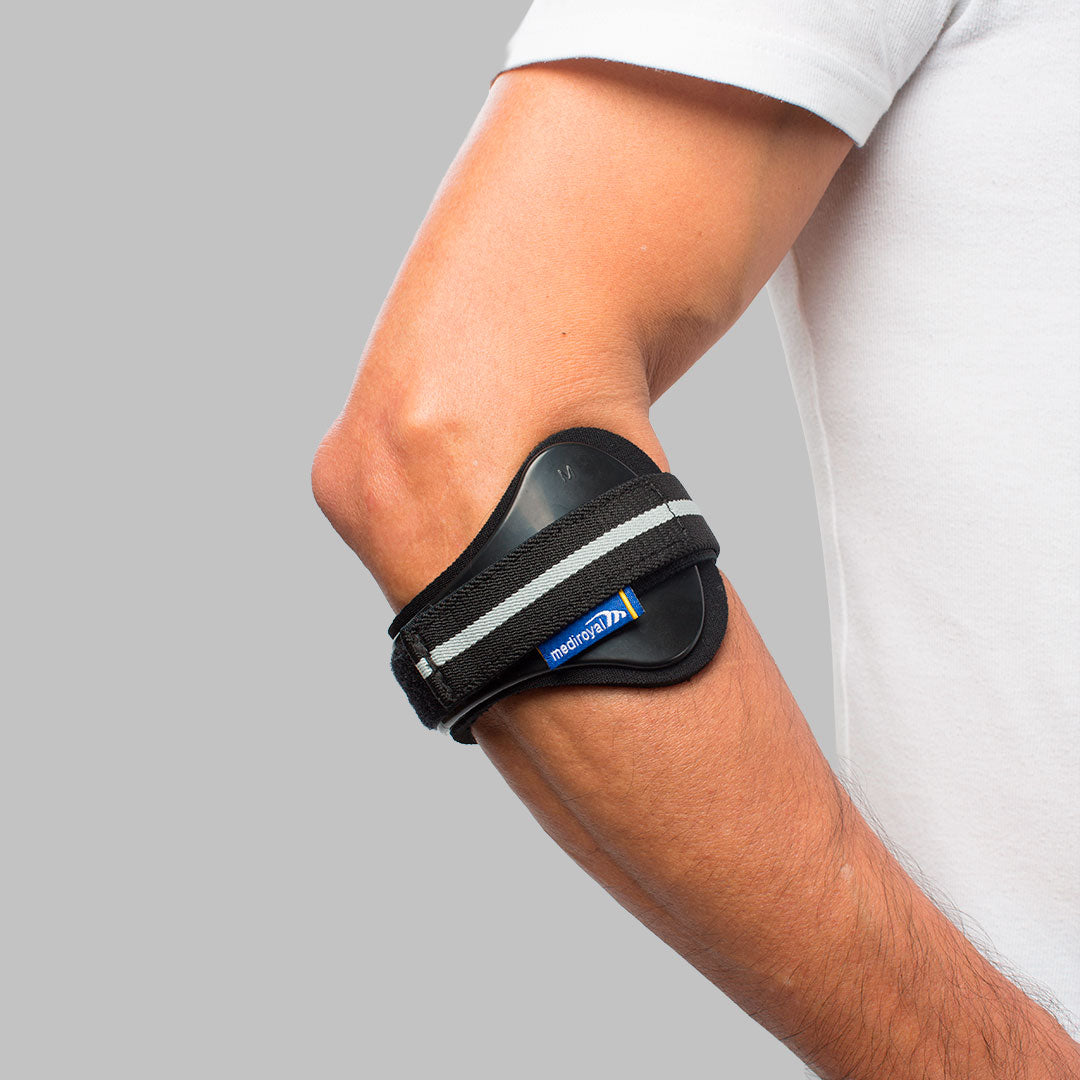
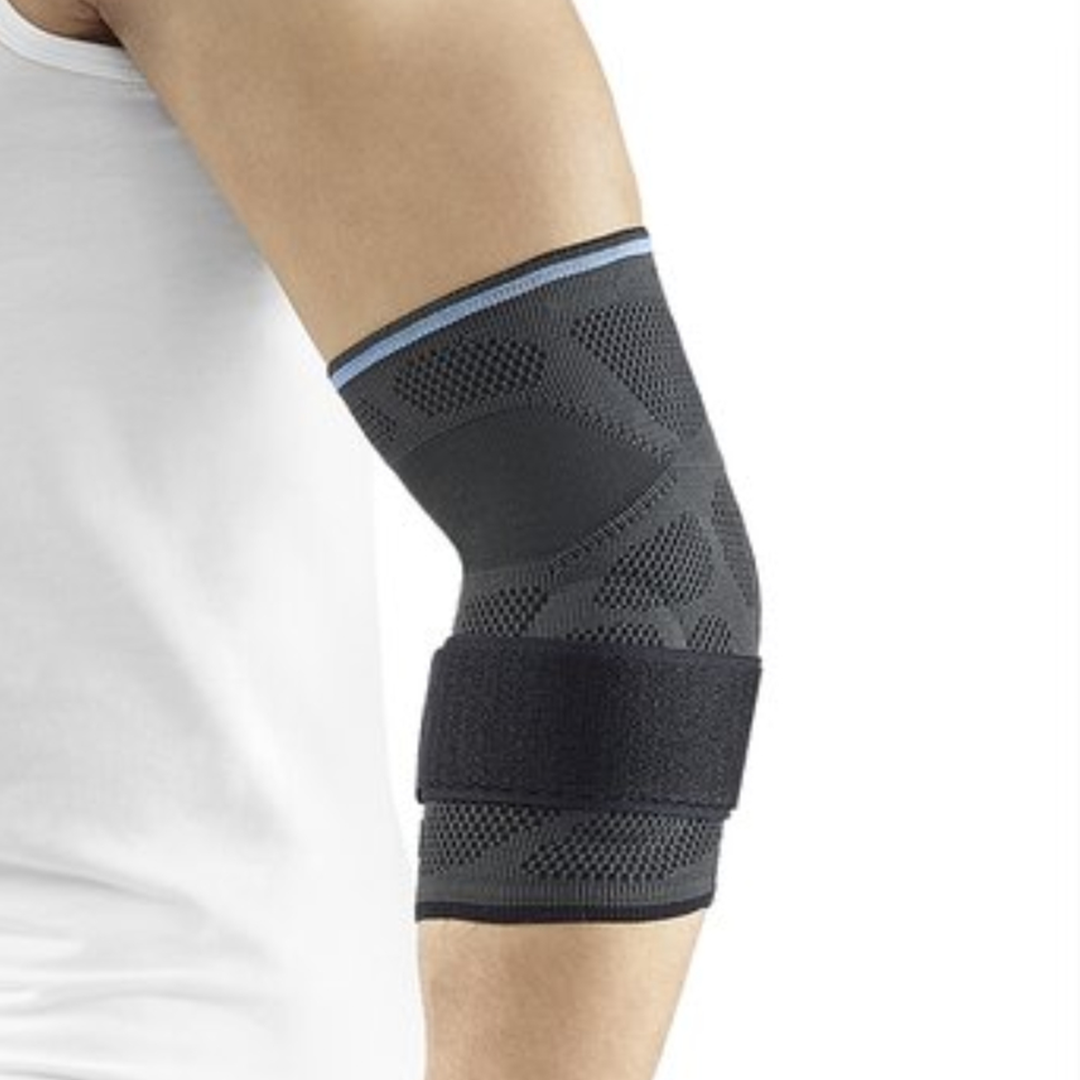
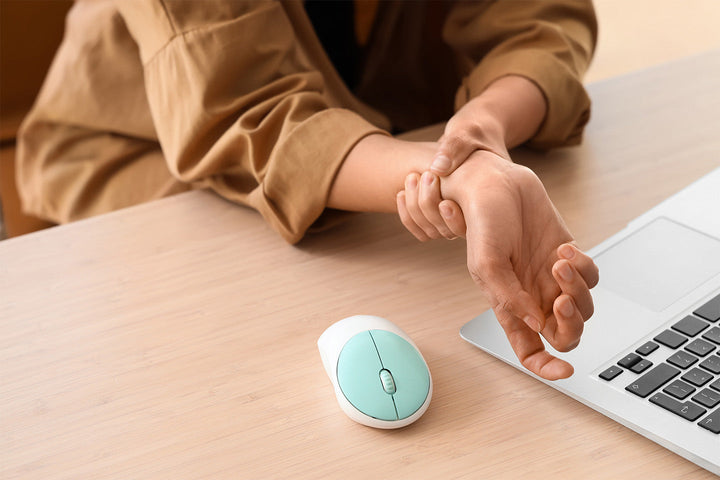
For golfer's elbow, an elbow brace can help relieve the tendon attachment and reduce pain during activity. By providing targeted compression over the forearm muscles, the brace can reduce tension on the irritated tendons and make everyday activities easier to perform. When needed, a wrist support can complement the elbow brace by further reducing strain during repetitive hand movements. Stretching and tailored strengthening exercises for the forearm also often improve function and support long-term rehabilitation.
See all supports and braces that can help relieve golfer's elbow
Related injuries
For more information about arm and elbow problems, you can read more in the Injury Guide Arm, and you can also go to the Injury Guide main page to read about other injuries and symptoms.