What is the difference between tennis elbow and golfer’s elbow?
The main difference between tennis elbow and golfer’s elbow is where the pain is located. Tennis elbow usually causes pain on the outside of the elbow, while golfer’s elbow is typically felt on the inside.
Both are conditions affecting the tendon attachments near the elbow, caused by strain, and occur far more often off the court or course than on it. Heavy work, repetitive wrist movements, strength training, and prolonged use of tools are common causes. Symptoms often develop gradually. This can make it difficult to link the pain to a single movement or event. Knowing where it hurts and which activities trigger the pain makes it easier to tell the two conditions apart.
The location of the pain provides an important clue
Tennis elbow is also called lateral epicondylalgia. The pain is located around the bony prominence on the outside of the elbow, where several of the wrist extensor muscles attach. It can hurt when you lift something with a straight arm, turn a stiff key, use a computer mouse, or grip a racket. Pouring from a pitcher or carrying a grocery bag can also trigger the discomfort. Typical symptoms of tennis elbow include tenderness on the outside of the elbow, reduced grip strength, and pain when the wrist is extended backward against resistance. The ache can spread a bit down into the forearm but is usually not felt in the hand itself.
With golfer's elbow, also called medial epicondylalgia, the tenderness is instead on the inside of the elbow. That is where the muscles that flex the wrist and help rotate the forearm attach. The pain can be felt when you flex your wrist, grip a tool tightly, climb, throw, or perform pulling exercises at the gym. Carpentry, gardening, and other repetitive gripping tasks can also strain the area.
The names therefore do not describe who gets the ailments, but rather which tendon attachments have been irritated by strain. It is also possible to have pain on both sides of the elbow, although that is less common.
Causes and self-care are similar
Both tennis elbow and golfer's elbow often arise when the load has increased faster than the tissue has had time to adapt. This can involve more training sessions, heavier weights, a new work task, or many hours of the same movement. The discomfort does not necessarily stem from inflammation. It is often more a matter of changes in the tendon's ability to tolerate load.
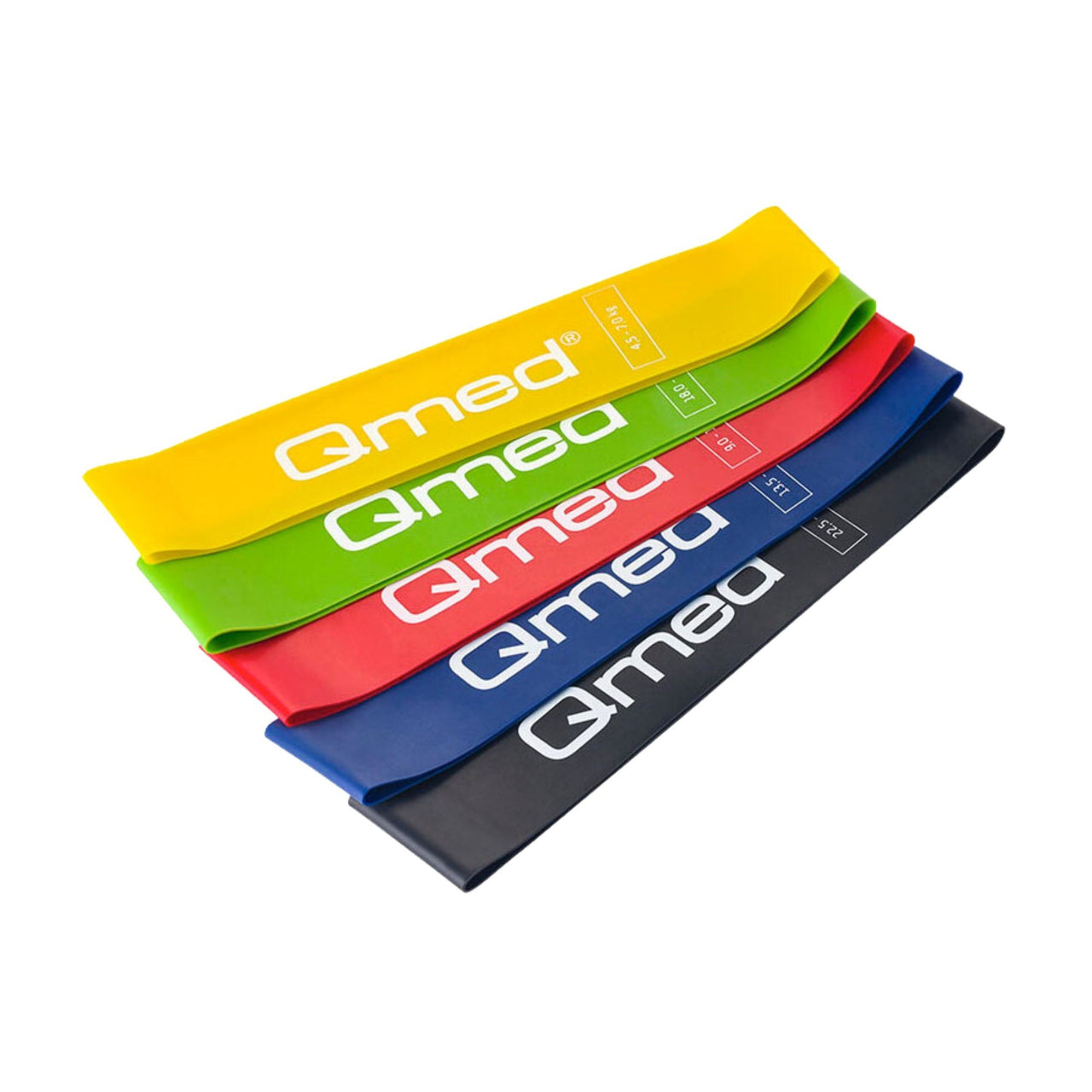
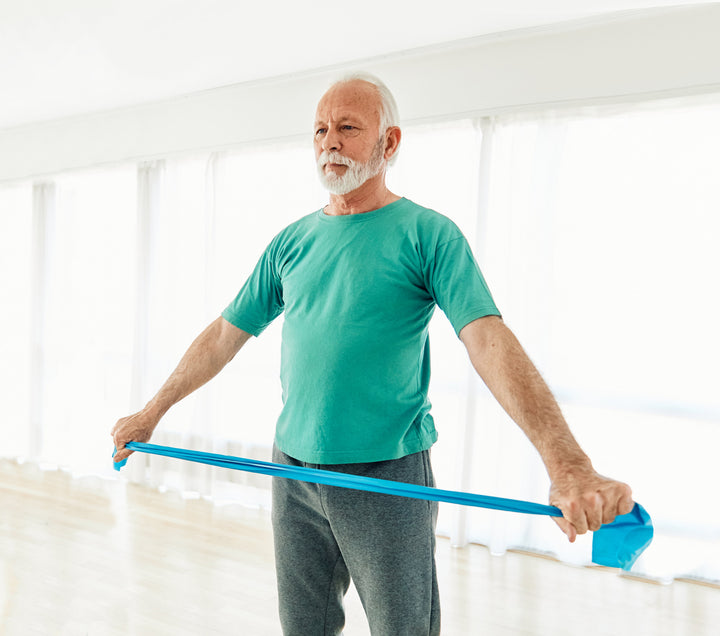
The first step is usually to reduce or change the activities that clearly increase pain. Complete rest for an extended period is rarely necessary. Controlled movement and gradual strength training for the forearm are often central parts of rehabilitation, which involves gradually teaching the tendon to tolerate load again.
For tennis elbow, the exercises are primarily aimed at the muscles that extend the wrist.
For golfer's elbow, the focus is more on the muscles that flex the wrist and rotate the forearm.
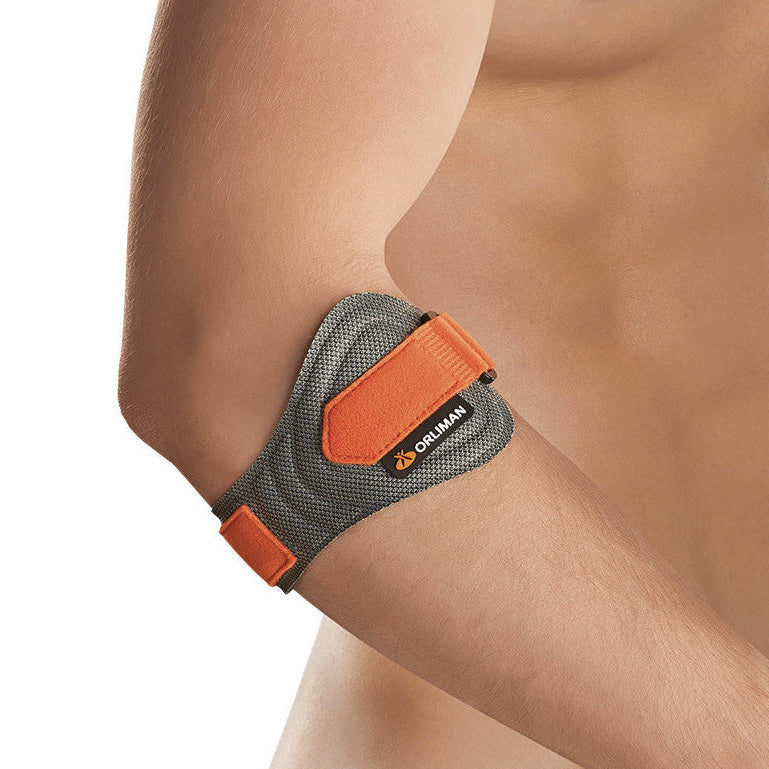
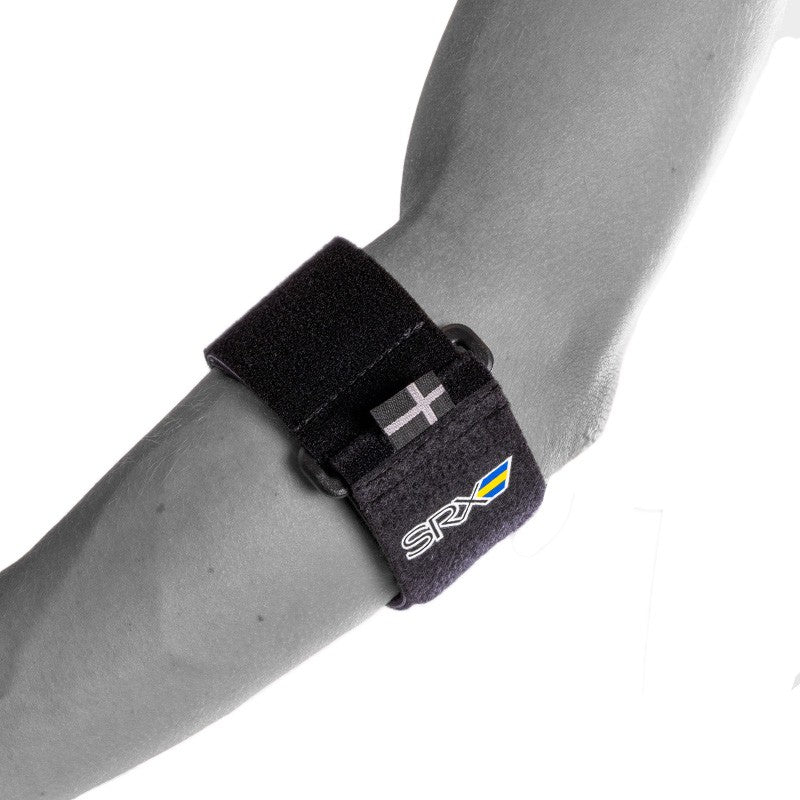
An elbow strap provides targeted pressure just below the elbow and can relieve the tendon attachment during work and activity.
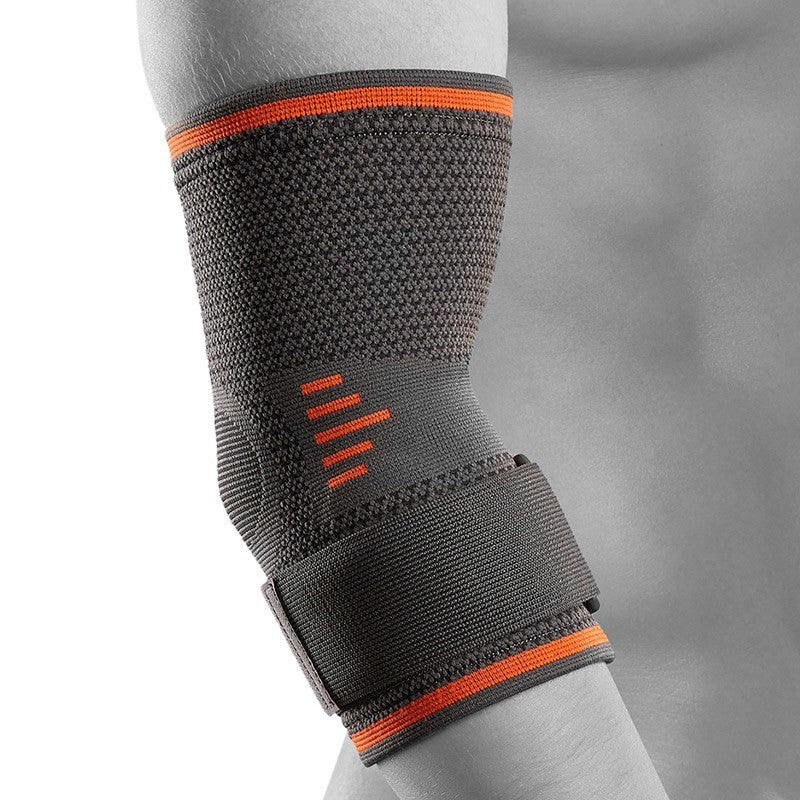
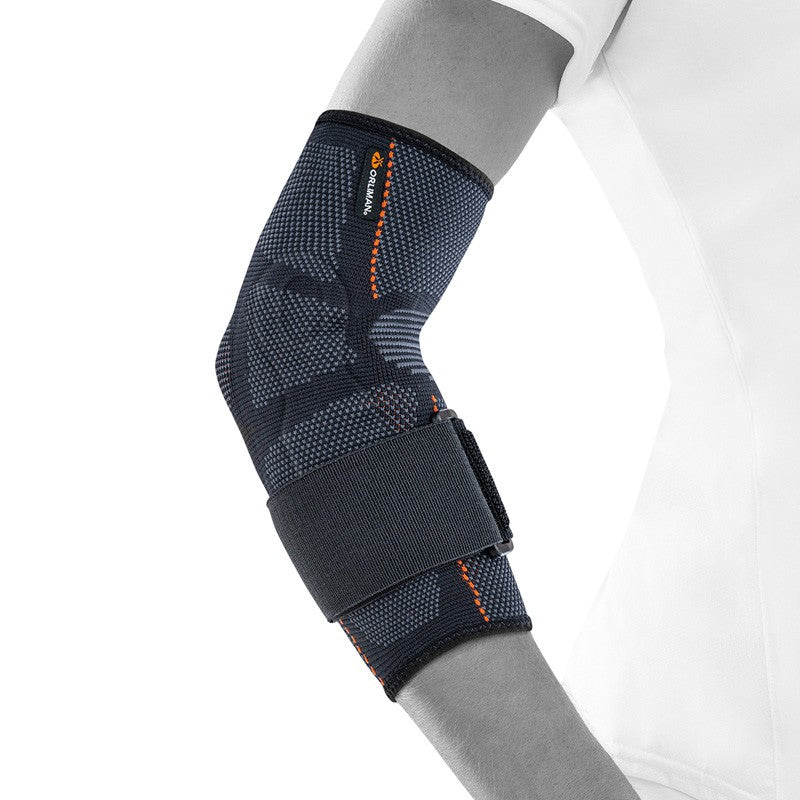
An elbow brace with compression encloses the joint and provides support over a larger area.
The purpose of the support is to help reduce pain and make it easier to remain active. Which type is suitable depends on where the soreness is located and how you load the arm.
At Rehaboteket, you will find elbow supports from established brands, and you can receive personal advice from our licensed physiotherapist before making your choice. The support is a complement to the training that is the core of the rehabilitation.
It is not always possible to determine the cause based solely on where the pain is located. Nerve involvement from the neck or elbow, joint problems, and other injuries can cause similar symptoms. Numbness in the fingers sometimes occurs with irritation of a nerve around the elbow and is not a typical sign of golfer's elbow alone. Seek medical care if the symptoms began after a fall or blow, if the elbow is clearly swollen, red, or warm, or if you have a fever.
An assessment is also warranted in cases of pronounced weakness, numbness, locking, or pain that does not decrease despite changes in activity. A physiotherapist or doctor can examine strength, mobility, sensation, and which movements trigger the pain.
During rehabilitation, some mild tenderness may be acceptable, but significantly increasing pain indicates that the load needs to be reduced. You can adjust the weight, the number of repetitions, and the grip force individually. Then, increase the load gradually when the exercises do not cause clearly increased symptoms over the following 24 hours.
Reviewed by a licensed physiotherapist
This article has been reviewed by our licensed physiotherapist as part of Rehaboteket's quality process. The review ensures that the content is clear, medically accurate, and based on current knowledge within rehabilitation and orthopedic aids.