
After an injury, it is common to pay closer attention to your body’s signals. For many people, the journey back is also about learning to trust their body again.
Why can movement feel uncertain after an injury?
Movements that once felt natural may begin to raise questions. This does not necessarily mean that something is wrong, but uncertainty may affect how you move. If the feeling remains when your rehabilitation plan allows you to increase the load, you can approach the movement gradually and follow your clinician’s advice.
Three ways to rebuild confidence
1. Understand the uncertainty
Uncertainty often relates to a particular movement or situation. It may involve putting your weight on one leg, bending a joint further, increasing the pace or returning to the activity in which the injury occurred. Try to describe what feels difficult and when the feeling arises. This can make it easier to explain it to your clinician and plan the next step.
2. Set clear goals
An end goal such as being able to run, work or exercise as usual may feel a long way off. It can therefore help to divide the journey into smaller milestones.
A milestone might be to:
• Perform a particular movement with better control
• Walk a set distance
• Complete a few more repetitions
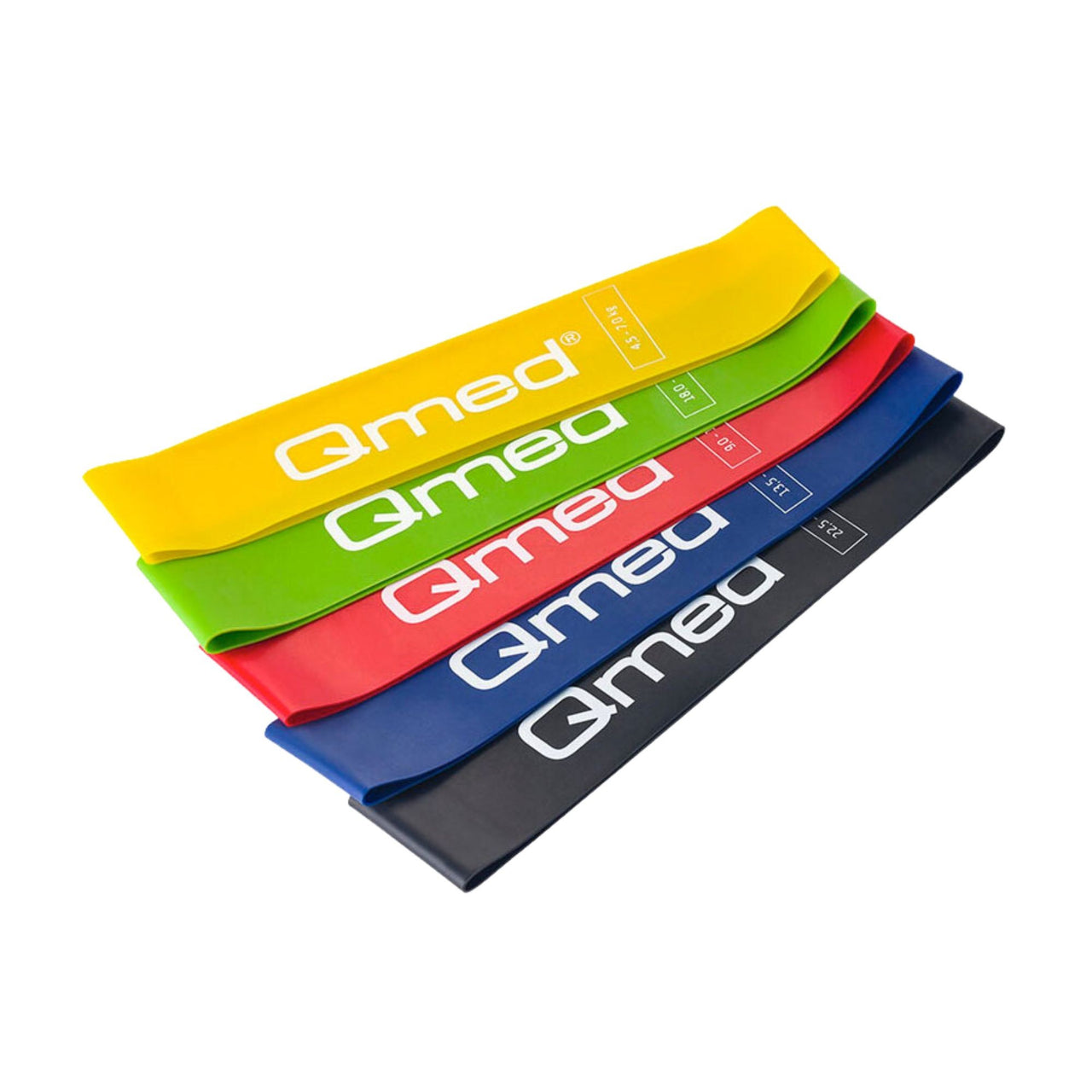
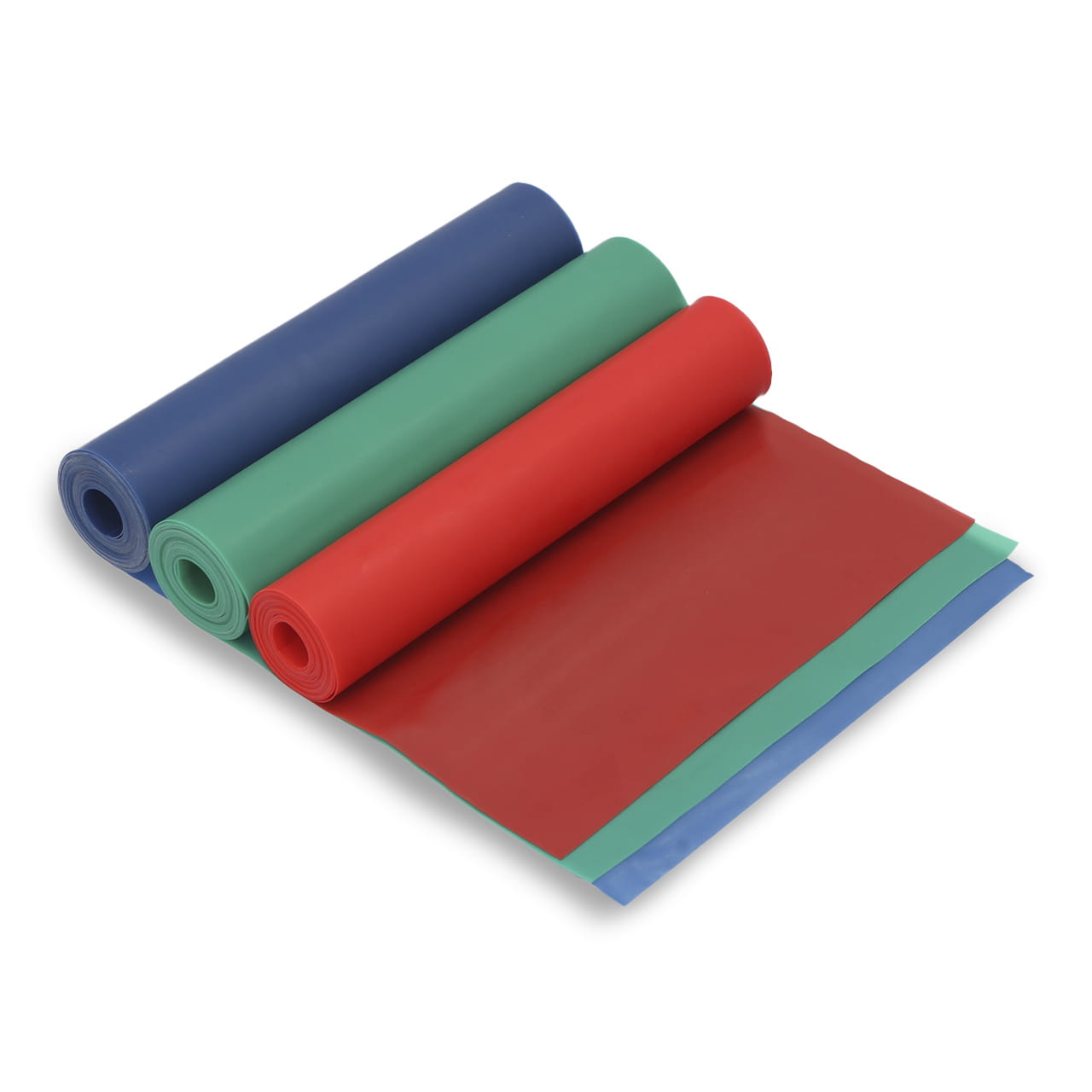
• Use slightly greater resistance
• Feel calmer about a movement that previously caused concern
Try to choose goals that are clear enough to track. The difference between “I want to feel better” and “I want to complete ten controlled repetitions” is that the latter makes progress visible. Recognising what you can actually do may help build greater confidence in your body. It may also make it easier to decide when you are ready to discuss the next step with your clinician."
3. Increase gradually
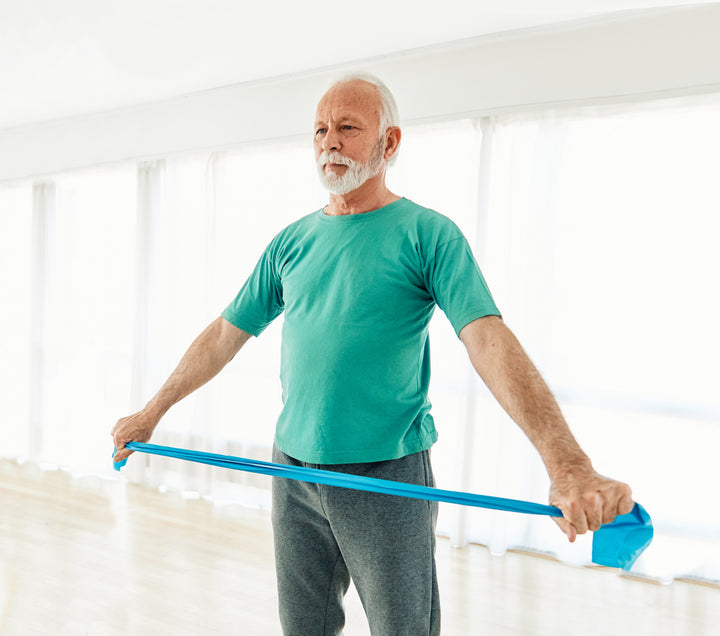
For some people, increasing the load gradually may make it easier to become accustomed to a movement again. Not every session needs to be more difficult. Sometimes you can repeat the same level until the movement feels familiar. Change one thing at a time, such as the number of repetitions, resistance or pace. How quickly you should progress depends on the injury and how your body responds. Follow your rehabilitation plan and ask for guidance if you are uncertain.

Talk about the concern, not just the pain
During rehabilitation follow ups, the focus is often on pain, mobility and strength. It is also valuable to mention if a movement feels uncertain, even if it is not painful. Describe the situation that makes you hesitate and what you think might make it more manageable. This can provide a better basis for planning the next step in rehabilitation.
For some people, it may also feel safer to try a new exercise with a clinician, training partner or another person they feel comfortable with. Support from someone else may make it easier to try before continuing on your own.
Can support make it easier to move with confidence?
An aid, brace or piece of training equipment may provide support and added stability in certain situations. For some people, this may make it easier to feel confident and try movements within their rehabilitation plan.
What may be suitable depends on the injury, your goals and where you are in your rehabilitation. For some people, an aid may complement exercise and treatment. Others may not need an aid at all.
Supports and bracesMay be an option when you are looking for added stability for a particular part of the body.  |
Training equipmentCan be used for gradual training of strength, balance and body control, for example.  |
| View supports and braces | View training equipment |
Summary
After an injury, physical and mental recovery may progress at different rates. It may therefore take time to feel confident in movements that once felt natural. By identifying what feels uncertain, setting clear milestones and increasing the load gradually, the journey back may become more manageable.
In our Injury Guide, you can read about common injuries, symptoms and possible treatments.
For some people, a support, brace or piece of training equipment may provide added stability and complement exercise and treatment. Which type of support may be suitable depends on the injury, your goals and where you are in your rehabilitation.
If you need help choosing a product, you can receive product guidance from our licensed physiotherapist. For an individual assessment and adaptation of your rehabilitation, you should consult your treating physiotherapist.