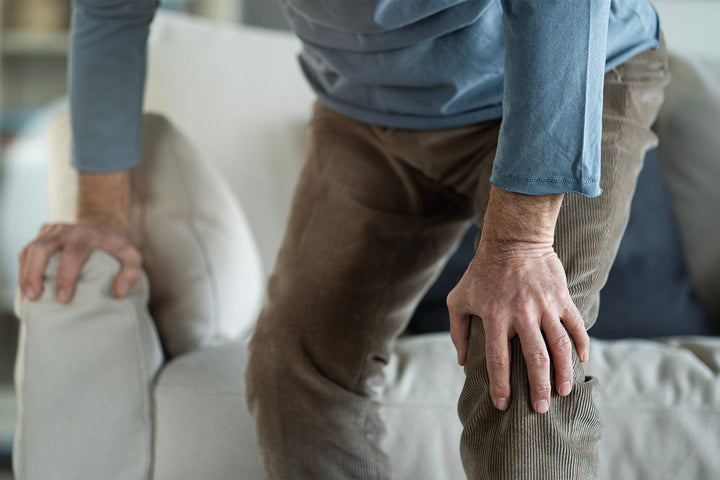

Jumper's knee, patellar tendinopathy, is a sports injury that often affects people who practice explosive sports such as volleyball, basketball, football and track and field. The injury is caused by overloading the patellar tendon's attachment at the lower edge of the kneecap and leads to inflammation and pain. A relieving knee pad in combination with rehabilitation training can be effective in relieving the discomfort.
What is jumper's knee?
Jumper's knee is a tear in the patellar tendon at its attachment to the lower edge of the kneecap. This tear leads to local bleeding and inflammation, causing pain at the lower edge of the kneecap (patellar apex). In long-standing cases, changes occur in the tendon that affect its mechanical properties. Jumper's knee is common in sports involving repeated jumping and explosive movements where the quadriceps muscles are activated intensively.
Common causes & risk factors
Jumper's knee often develops due to repeated and heavy loads from jumping and landing. Sports such as volleyball, basketball and track and field pose a high risk, but football and weightlifting can also trigger the problem. Lack of recovery, over-training or muscular imbalance between the front and back of the thigh also increases the risk of jumper's knee.
Symptoms
- Pain at the lower edge of the kneecap, often evident when pressed
- Stiffness and increased pain with activity, especially when jumping, climbing stairs, or running uphill
- Pain and stiffness after activity or sitting still
- Sometimes, startup problems occur after rest or sleep
When should you seek medical attention?
If the pain persists despite rest and self-care or if it worsens with activity, you should contact a physiotherapist or doctor for examination and an individual treatment program.
Recommended supports and braces
If you have jumper's knee, it is important to reduce the activities that place excessive stress on the tendon and to begin targeted rehabilitation immediately. As with Achilles tendon problems, it is important to load the tendon appropriately and train it eccentrically (during lengthening). We recommend consulting a physiotherapist for guidance with your rehabilitation.
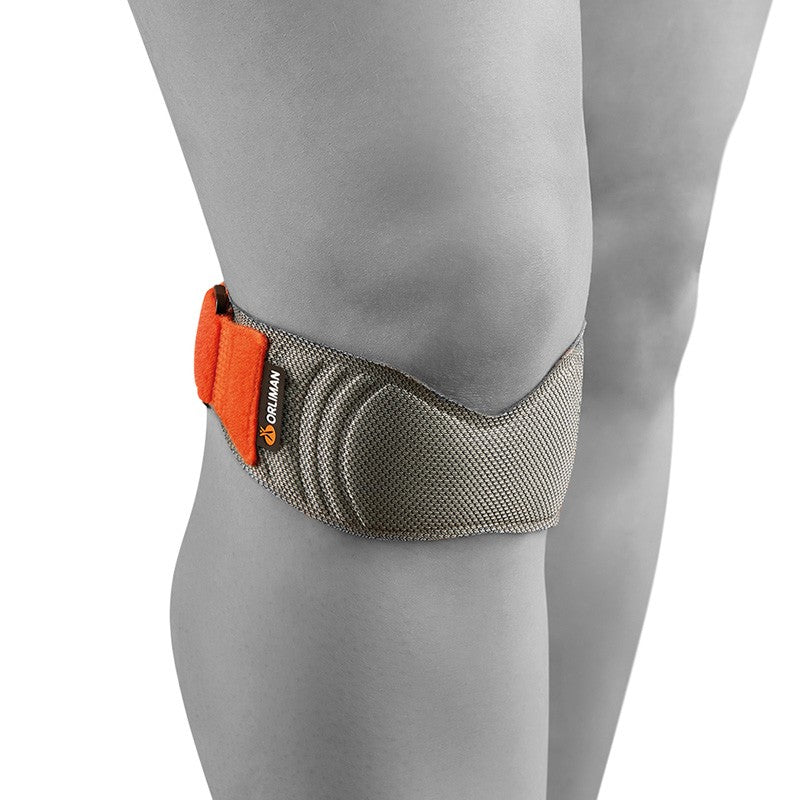
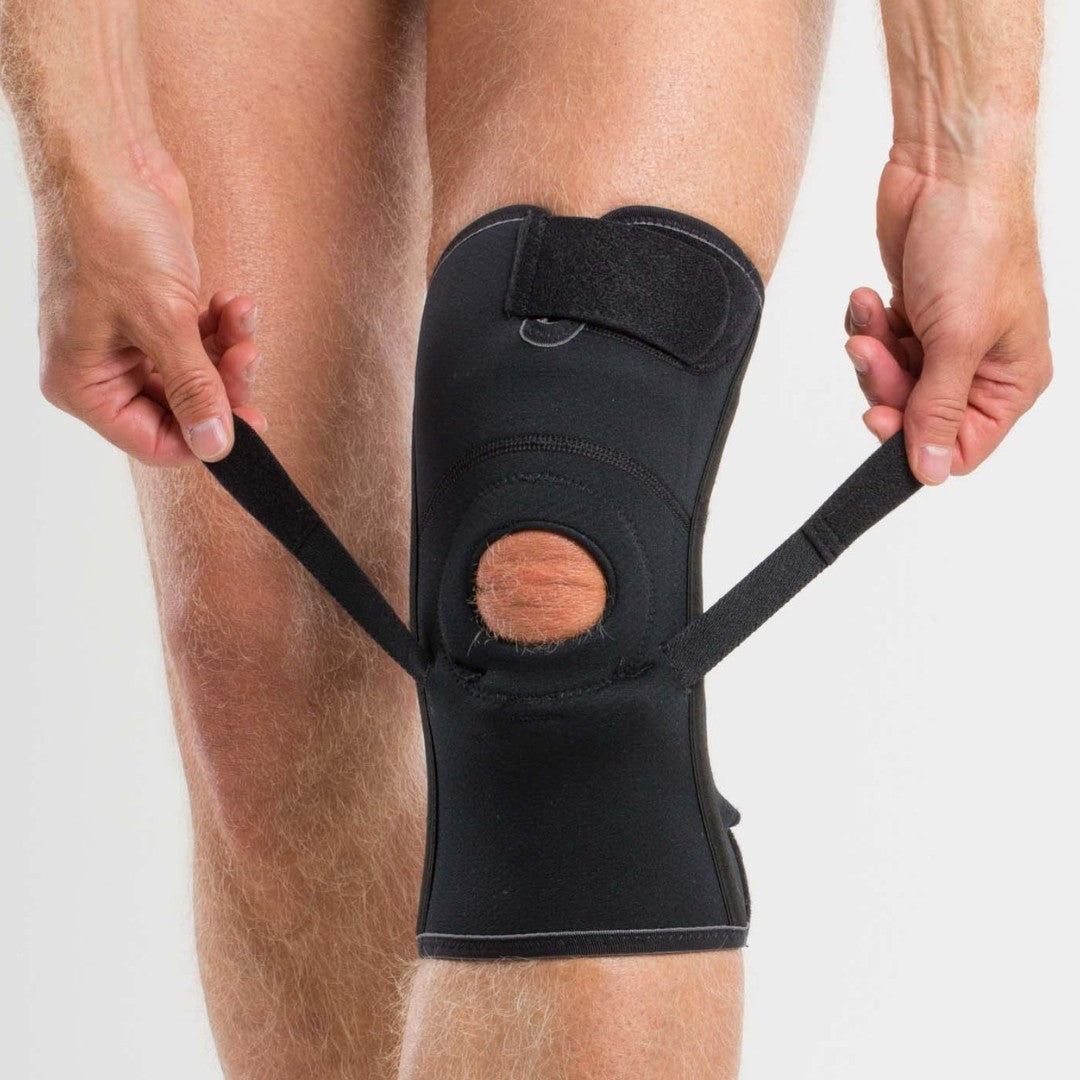
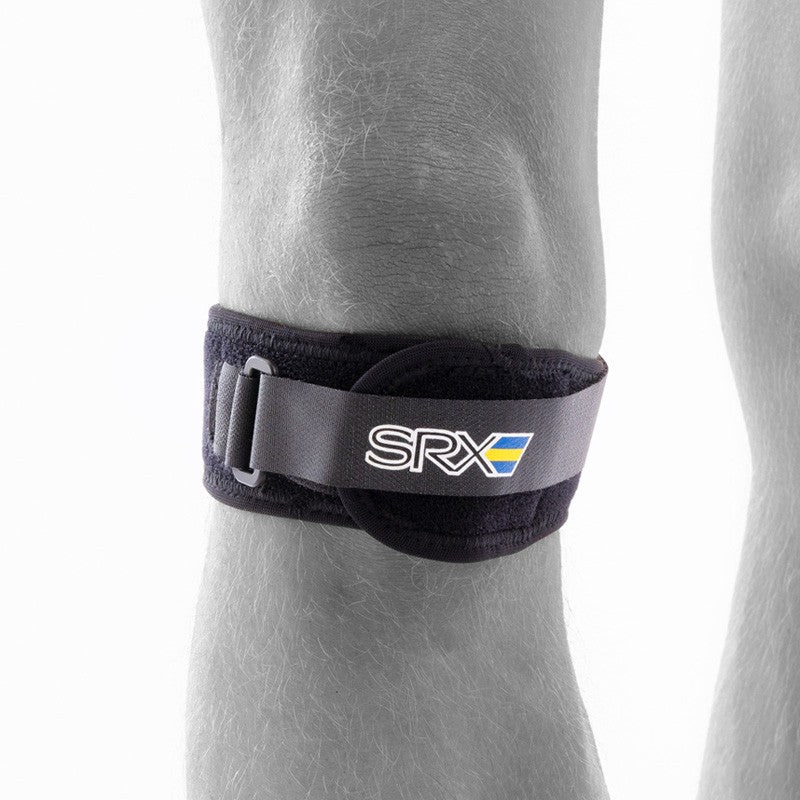
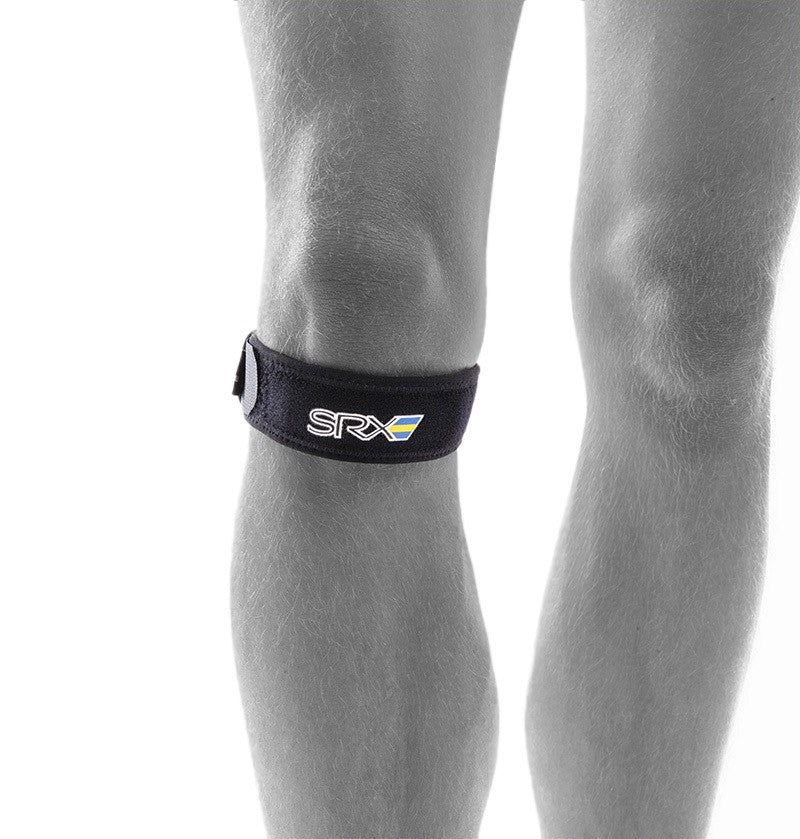
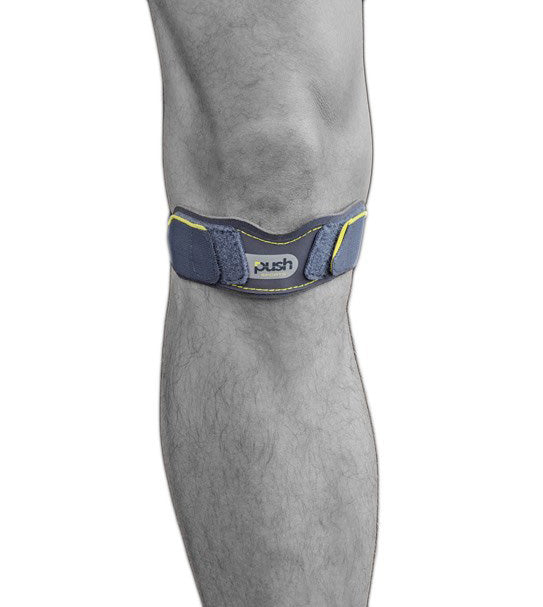
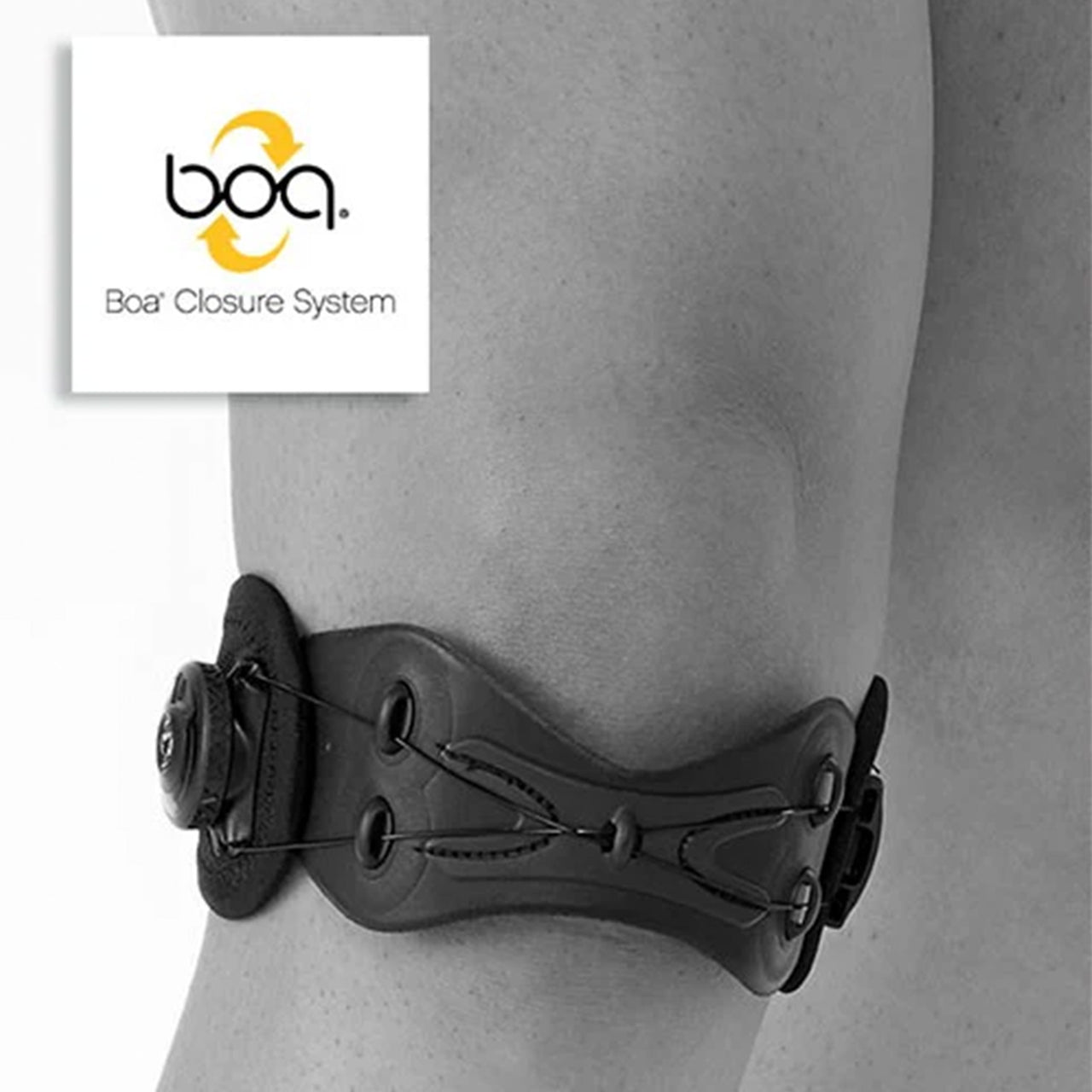
A patellar strap can relieve stress on the tendon attachment and help reduce pain. Our straps designed for jumper's knee feature a pad that is positioned below the lower edge of the kneecap to unload the tendon attachment. They provide pain relief during activity and make it possible to exercise with less discomfort.
See our products that can help with jumper's knee
Related injuries
In the Injury Guide Knee, you can read more about common knee injuries and conditions. You can also go to the Injury Guide main page to read about other injuries and symptoms.