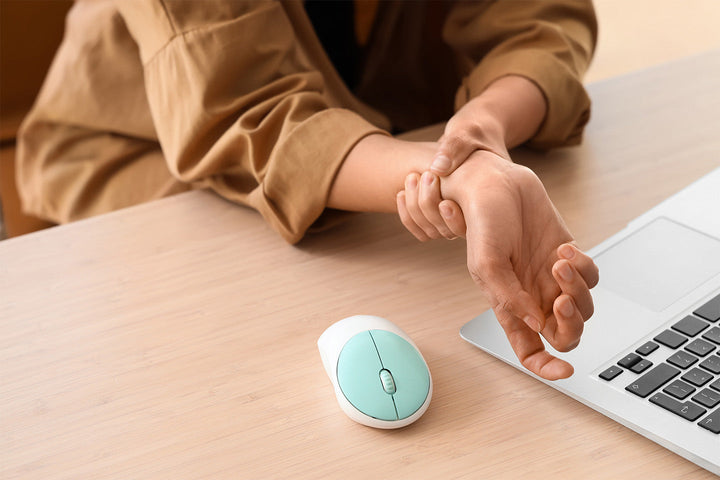

Tennis elbow, or lateral epicondylitis, is a common painful condition that affects the tendon attachment on the outside of the elbow. The condition is most often caused by overuse of the wrist extensor muscles and usually develops gradually over time.
What is tennis elbow?
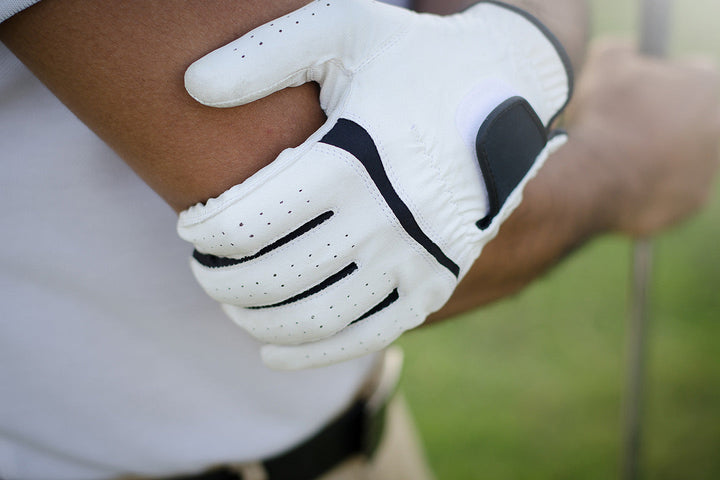
Tennis elbow is an overuse injury affecting the tendon attachment on the outside of the elbow. The pain is located at the bony prominence on the outer side of the elbow, known as the lateral epicondyle, where the wrist extensor muscles attach.
When the tendon attachment is exposed to repeated strain, small microtears can develop in the tendon. This can lead to pain, tenderness, and reduced strength in the hand, wrist, and forearm.
Despite its name, the condition does not only affect tennis players. Tennis elbow is common among people who perform repetitive hand and wrist movements, such as manual work, computer work, or other activities involving repeated strain.
Common causes & risk factors
Tennis elbow is primarily caused by repetitive and unilateral movements of the hand and wrist. Activities such as racket sports, working with tools, or prolonged computer work can create repetitive strain on the tendon attachment.
The risk increases with prolonged periods of exertion without adequate recovery. The condition is most common between the ages of 30 and 50 and occurs somewhat more often in people over 40.
Symptoms
- Local pain on the outside of the elbow
- Pain that worsens when bending or extending the wrist against resistance
- Weakness or numbness in the hand
- Pain with twisting movements, such as opening a can or turning a key
- Tenderness, stiffness, and sometimes redness or warmth in the area
The symptoms of tennis elbow often occur in situations where the muscles of the forearm are stressed.
When does tennis elbow hurt the most?
The pain of tennis elbow often occurs in situations where the wrist or forearm is working against resistance.
When lifting by hand
Lifting objects with a straight arm can create tension in the tendon attachment on the outside of the elbow.
When grasping objects
Gripping movements such as holding tools or carrying bags can worsen the pain.
During twisting movements
Movements such as opening cans or turning a key can provoke the discomfort.
For repetitive work
Repeated movements of the hand and wrist can gradually increase the pain.
When should you seek medical attention?
Seek medical attention if your symptoms do not improve within a few weeks despite taking some rest. This also applies if you experience significant weakness in your hand or if the pain affects your ability to perform everyday activities.
Recommended protection & support
In the case of tennis elbow, the right protection and relief can contribute to reduced pain and increased function in everyday life and activity.
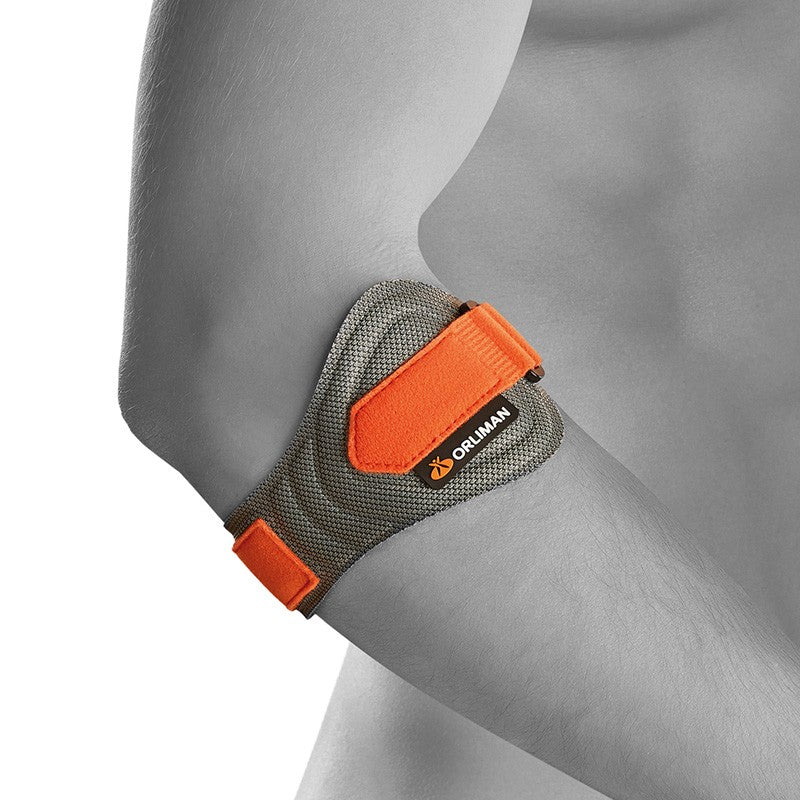
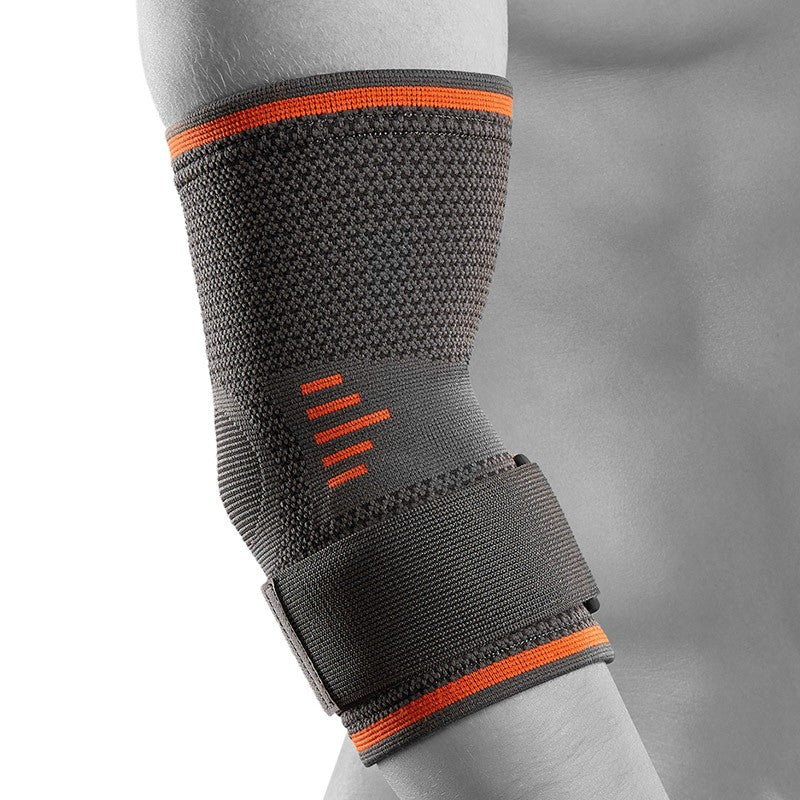
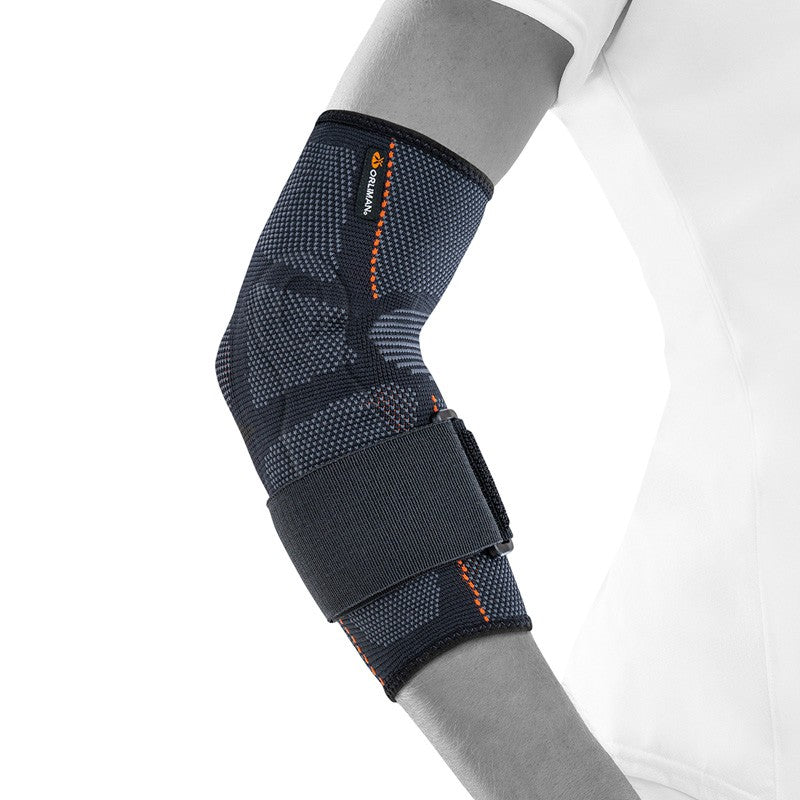
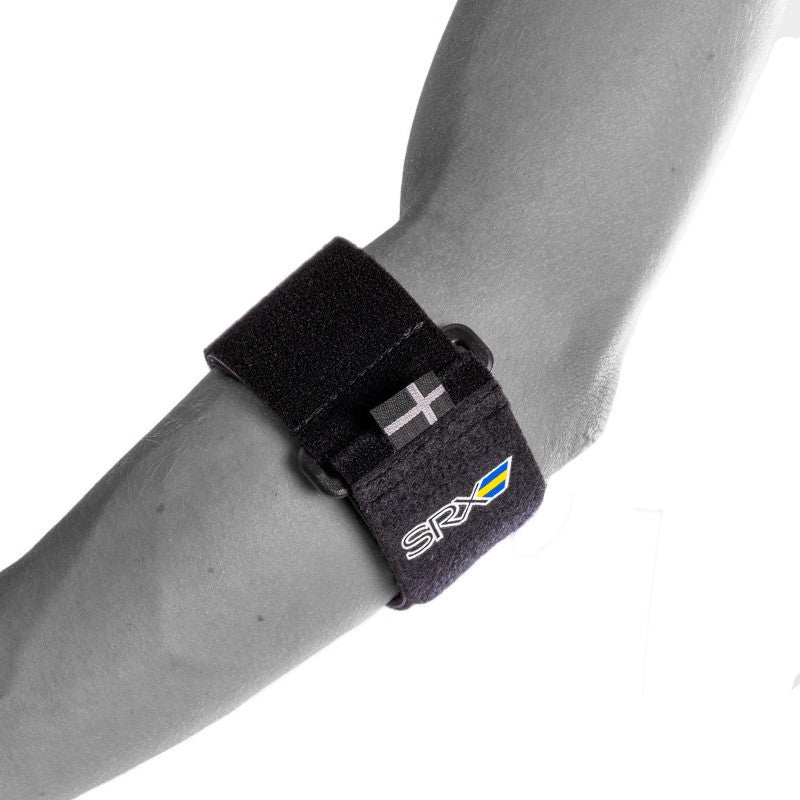
An elbow brace can relieve the irritated tendon attachment by providing targeted compression across the forearm. This can reduce the strain on the tendons and make everyday movements more manageable.
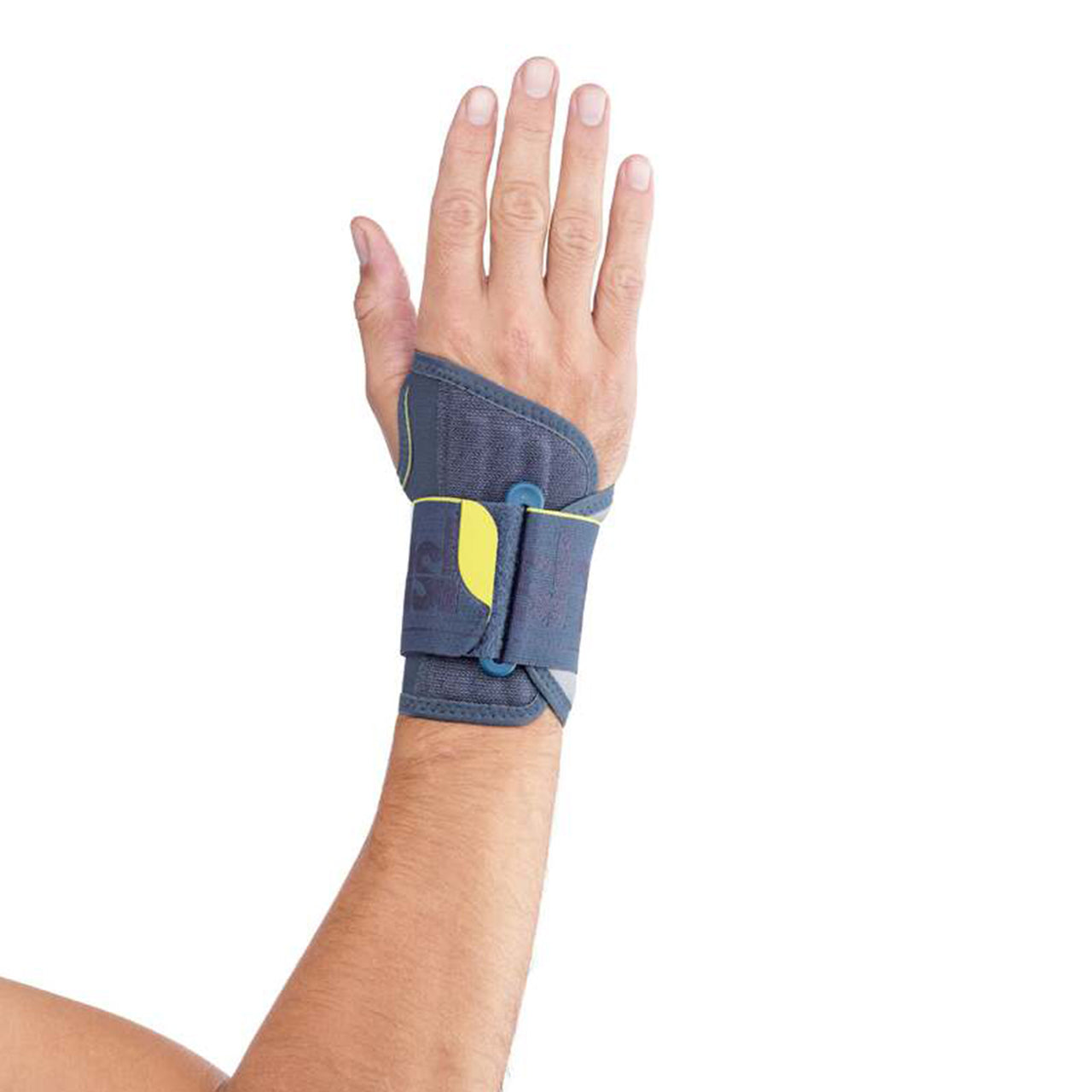
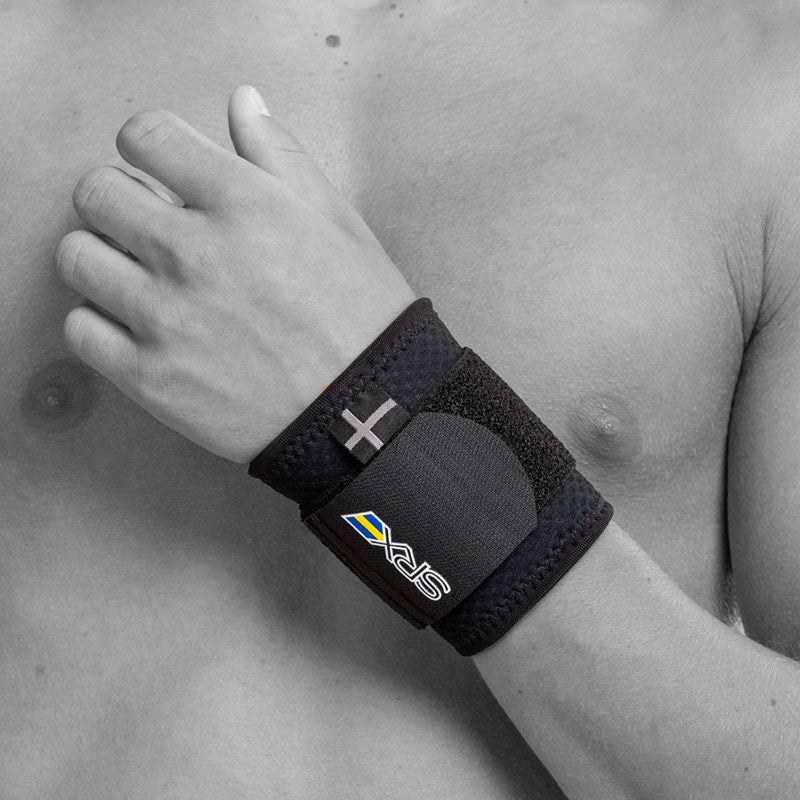
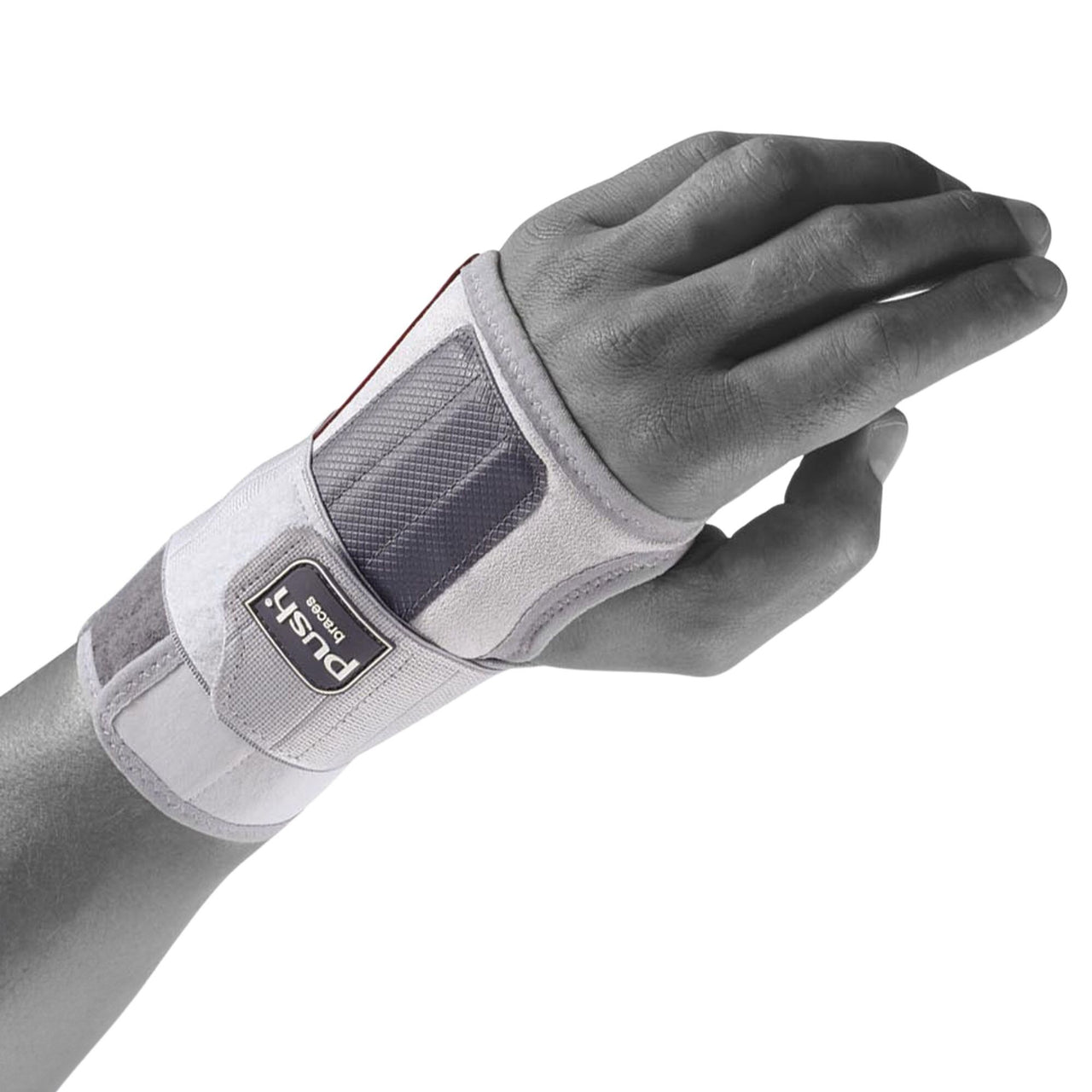
A wrist support can, in some cases, complement the elbow protection by keeping the wrist in a more relieving position. Stretching the forearm muscles, ergonomic adjustments, and varied loads are also important measures to reduce discomfort and prevent relapse.
See all braces and supports that can relieve tennis elbow
Related injuries
For more information about arm and elbow problems, you can read more in the Injury Guide Arm. You can also go to the Injury Guide main page to read about other injuries and symptoms.