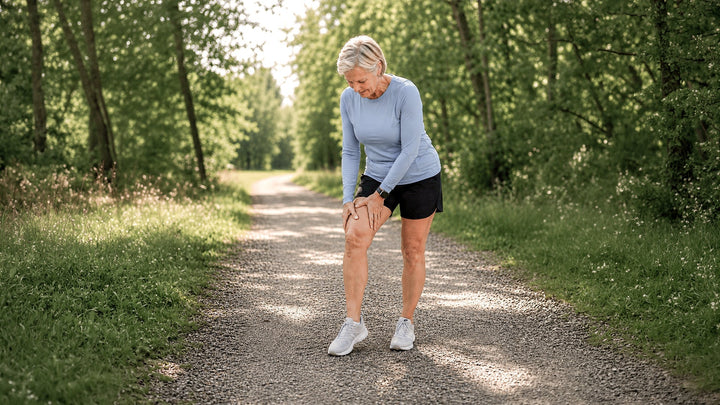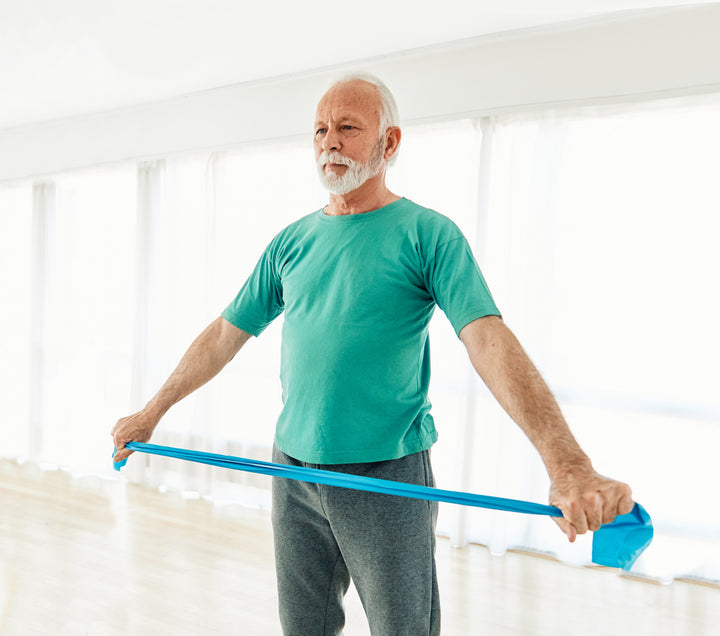

Heel pain doesn't automatically mean you have to stop exercising completely. On the contrary, total rest is rarely the best solution for heel spurs or plantar fasciitis. However, the load needs to be adjusted so that the tissue can recover without exacerbating the irritation. The key is not to stop moving – but to move smartly.
If you want to read more about symptoms and underlying causes, we recommend our Injury Guide on heel spurs.
What happens in the heel under load?
In the case of heel spurs, it is usually the attachment of the plantar fascia under the heel that is overloaded. When you walk, run, or jump, tension occurs in the tissue. If the load is greater than what the tissue can handle, pain arises – especially after rest.
This means that:
- Repeated impact loading can irritate
- Total inactivity can make the tissue more sensitive
- Controlled loading is often most beneficial
Which type of exercise usually works well?
Many can continue to be active by adjusting their form of exercise.
Exercise forms that are usually better with heel spurs:
- Cycling
- Elliptical trainer
- Swimming
- Strength training without jumping movements
- Walking at a leisurely pace on softer surfaces
The important thing is that the pain during the activity is manageable and does not increase significantly the next day.
What should be limited for a period?
- Running on hard surfaces
- Jumps and explosive movements
- Long walks in thin shoes
- Barefoot walking on hard floors
Temporarily reducing these activities can give the tissue enough peace to begin recovery.
How do you know if the load is right?
A practical rule of thumb is the 24-hour rule: If the pain is roughly the same or slightly better the day after exercise, the load is likely reasonable. If morning pain is significantly worse, you have loaded too much. In that case, reduce the intensity or duration.
Can insoles or heel protectors help during exercise?
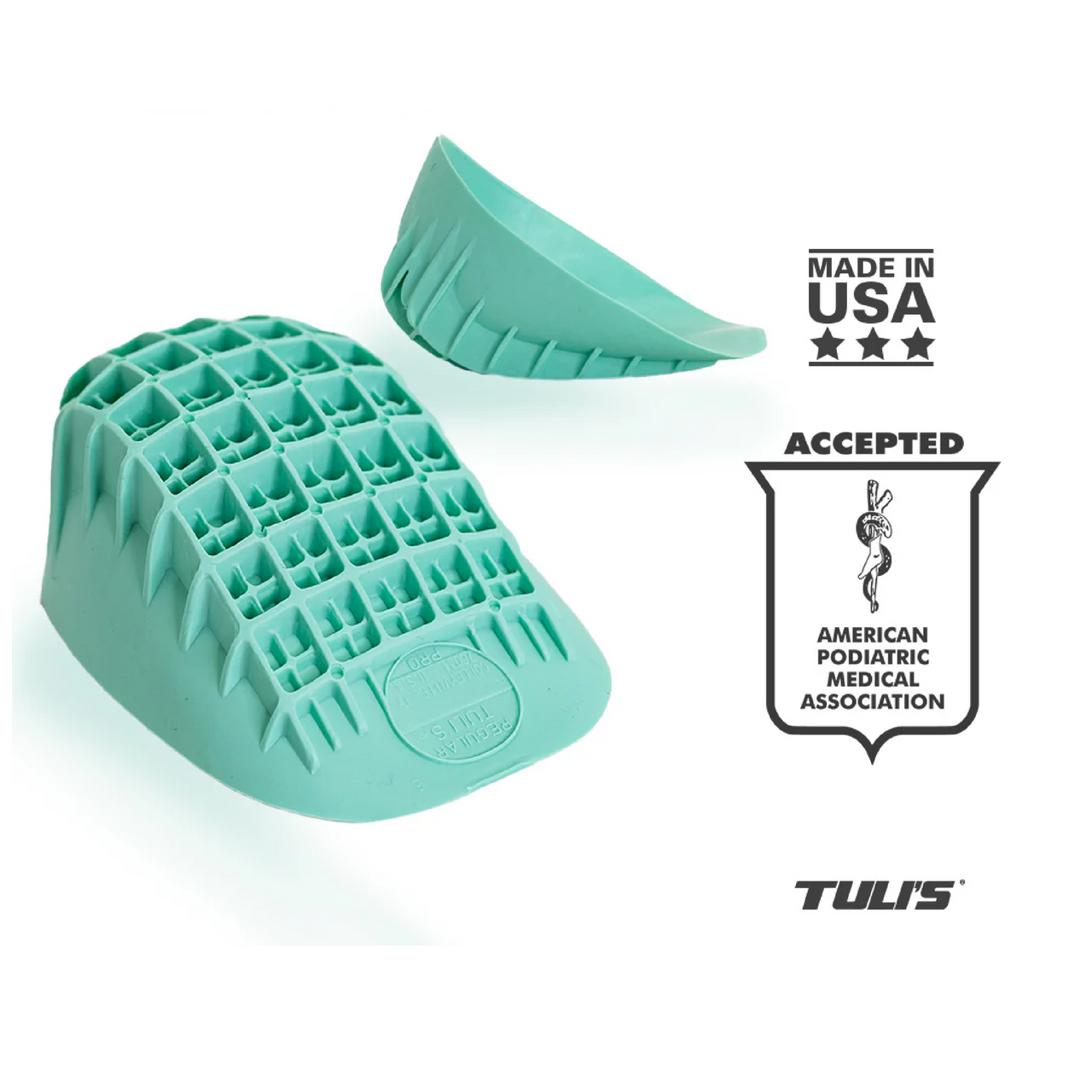
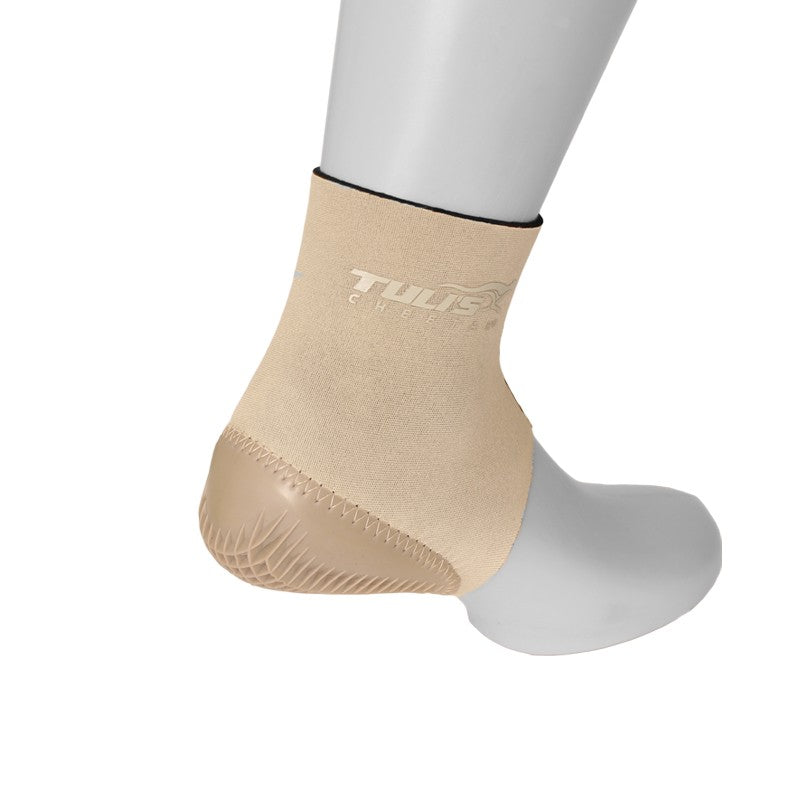
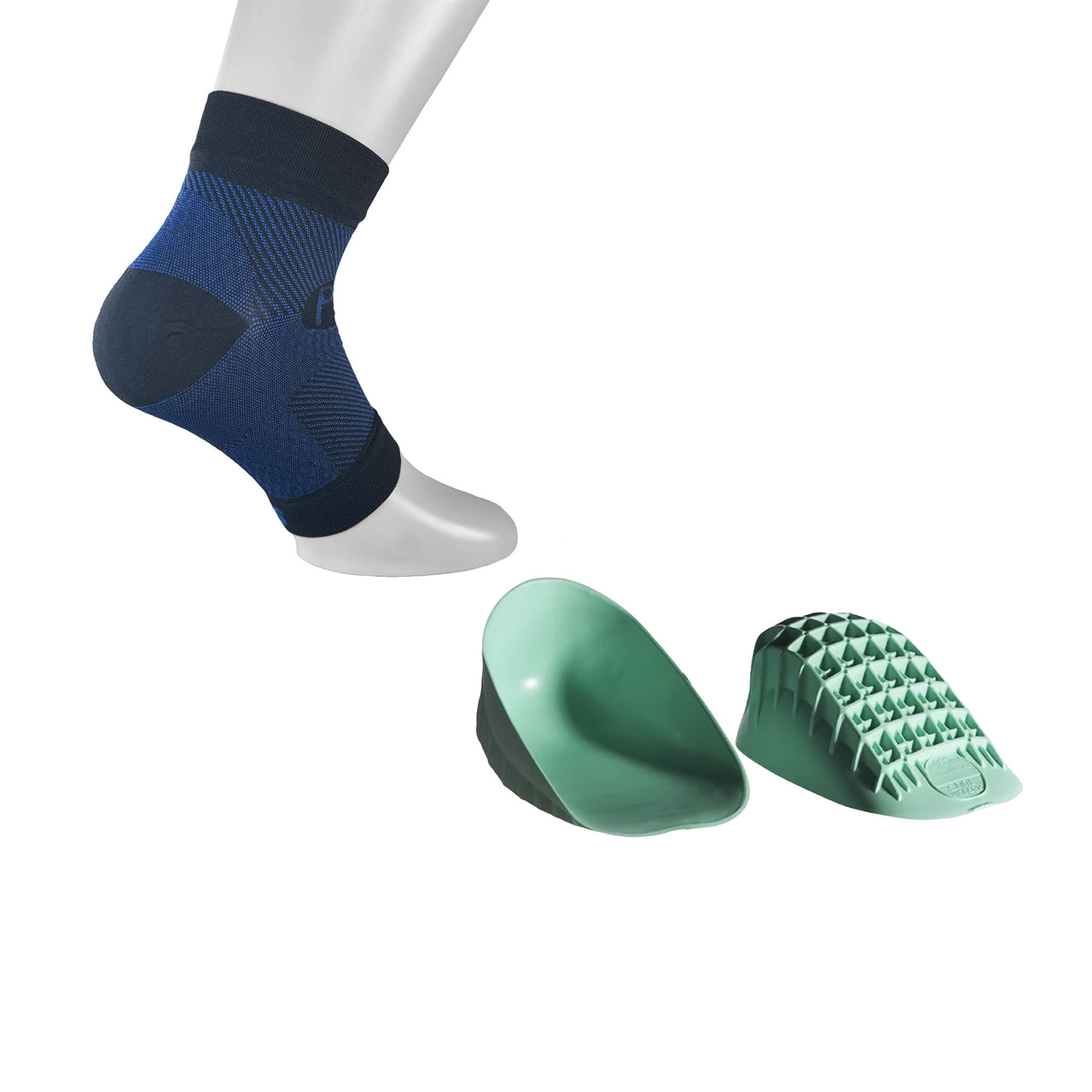
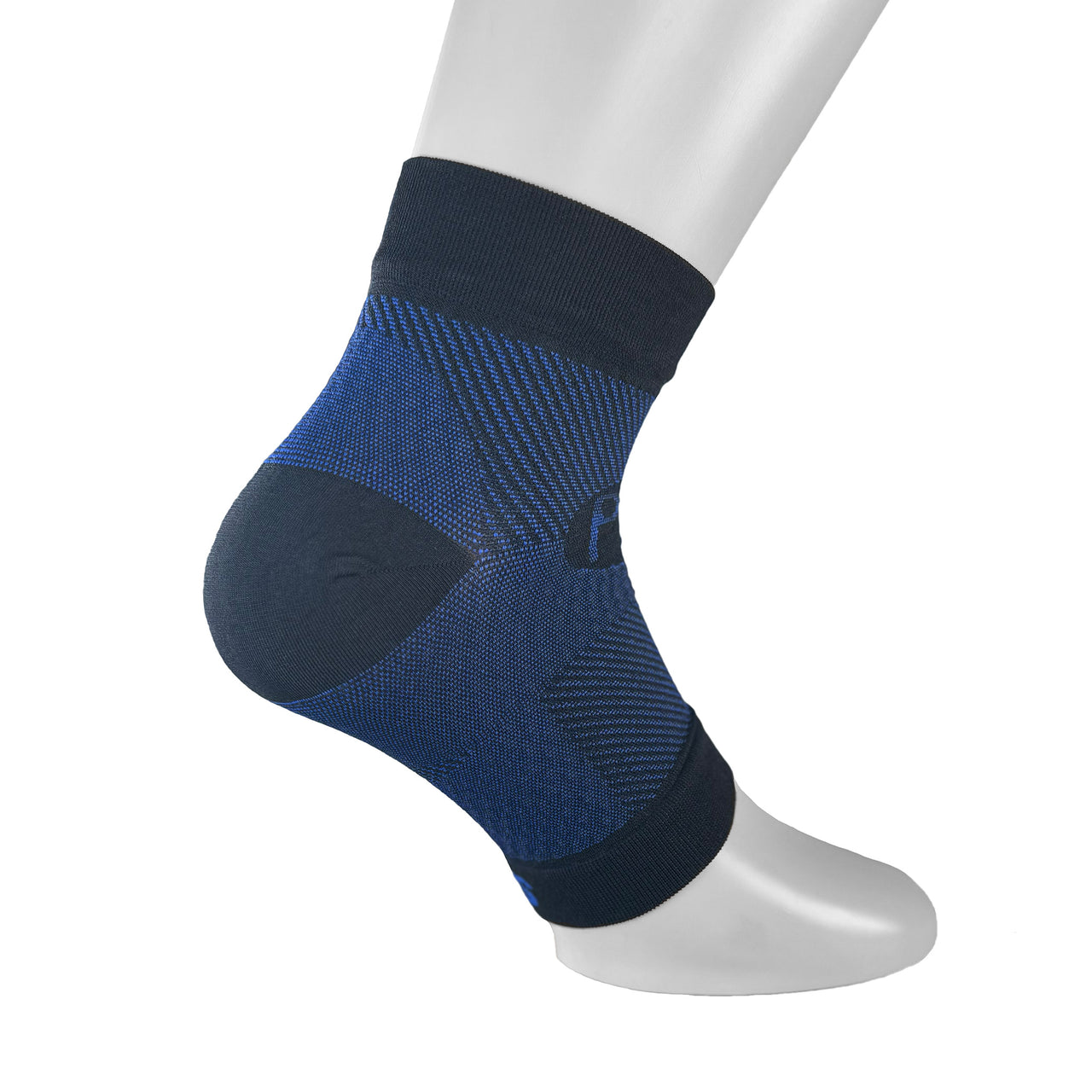
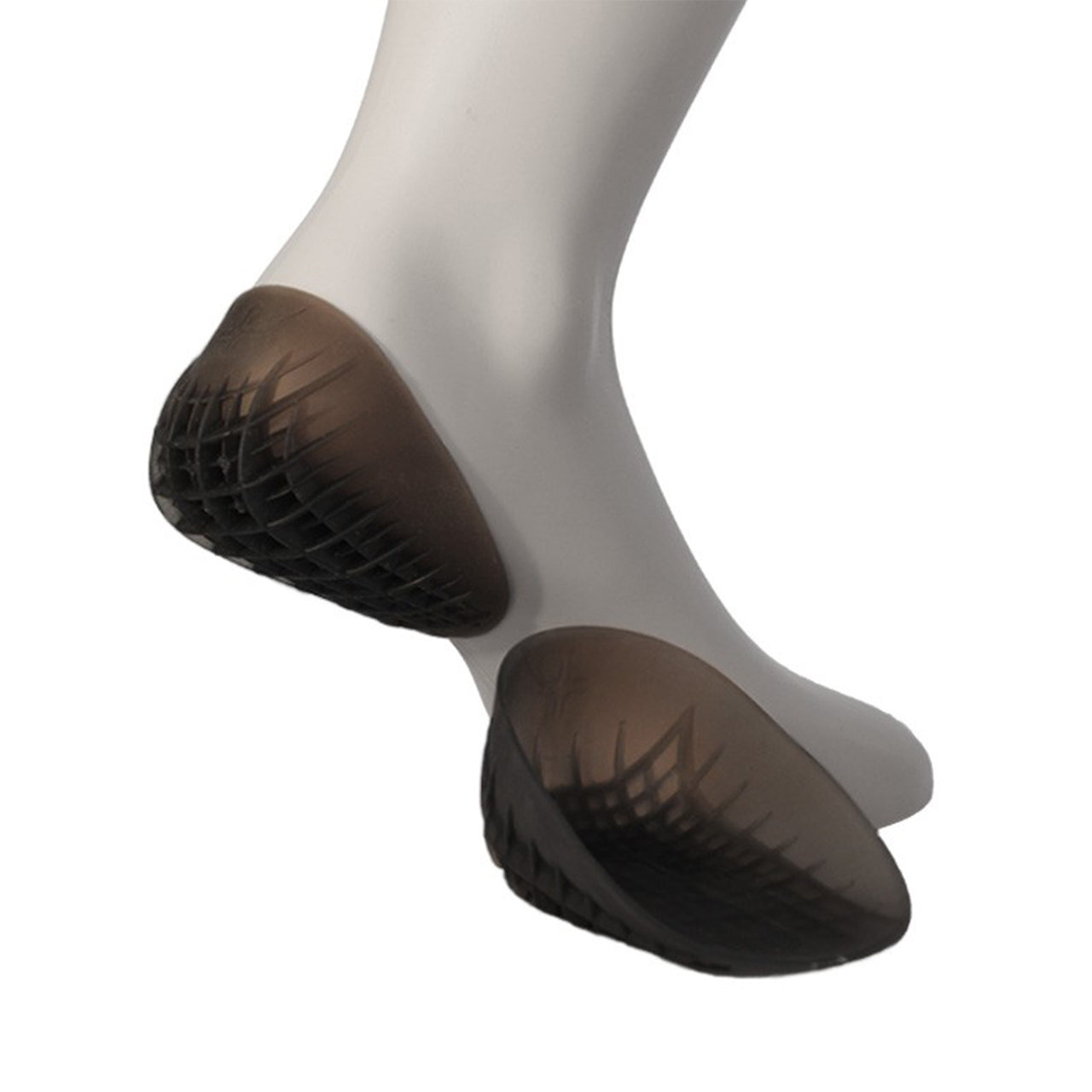
Shock-absorbing heel cups reduce the load on the heel and gather the heel fat pad under the heel bone to optimize the body's natural shock-absorbing capacity.
Supportive insoles with arch support and a deep heel cup can:
- Reduce tension at the plantar fascia's attachment
- Distribute pressure more evenly across the foot
- Make your stride more stable
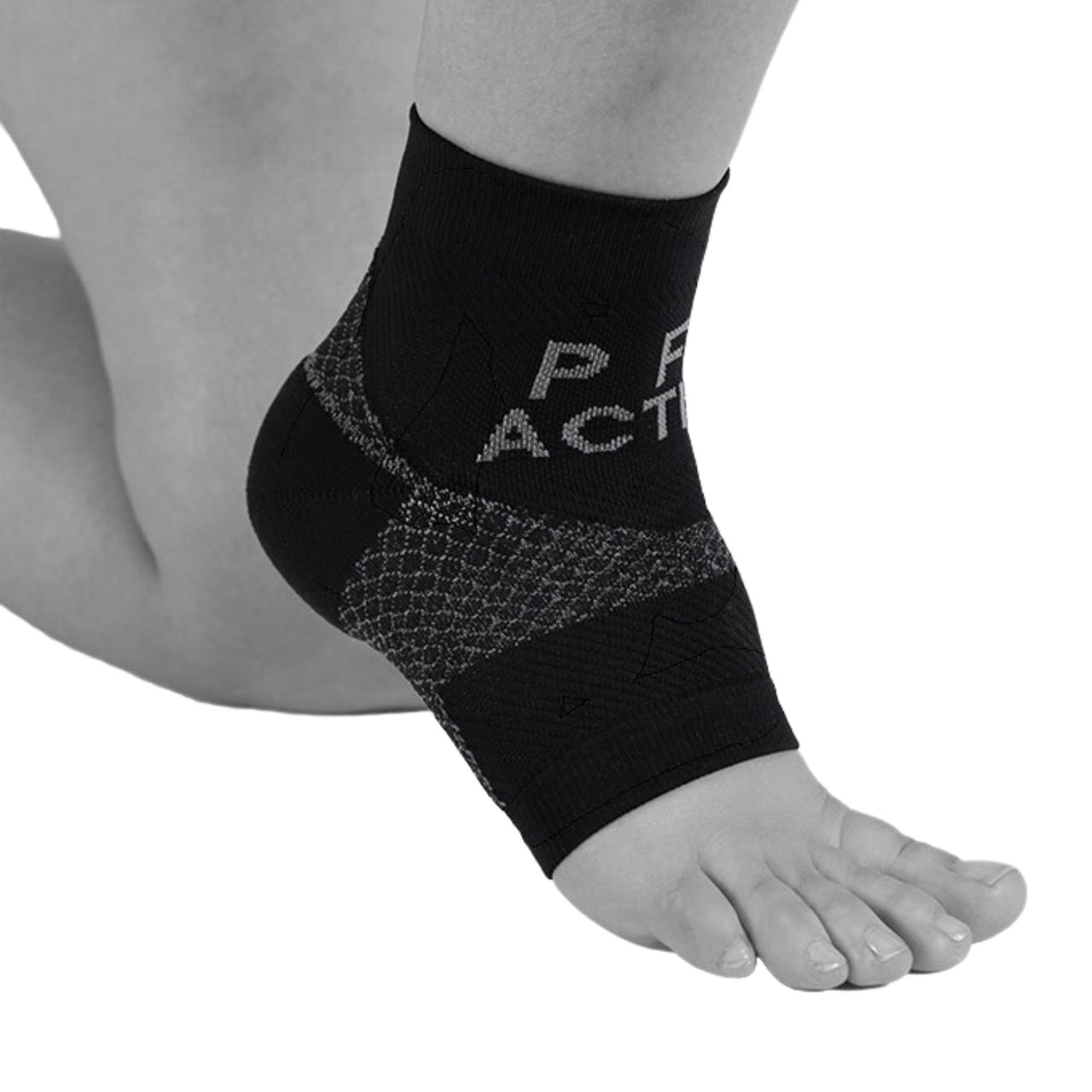
Supportive insoles can make it easier to remain active without provoking pain as much. However, support should be seen as a complement to adjusted loading and rehabilitation exercises – not as a sole solution.
Should you stretch?
Moderate mobility training for the calf muscles and the bottom of the foot can reduce tension against the heel. This should be done in a controlled manner and without provoking severe pain.
Strength exercises for the foot and calf can also improve the tissue's resilience over time.
Summary
You can often exercise with heel spurs – but not exactly as usual. By adjusting the load, choosing the right surface, and using support that provides shock absorption and relief, you can continue to be active while your heel has the opportunity to recover.
Stopping all movement is rarely the solution. Loading smartly is.
Do you want to reduce the load during exercise?
If you want to understand more about symptoms, causes, treatment, and when it might be wise to seek care, we recommend our Injury Guide on heel spurs.
If you instead want help choosing the right product based on your condition, you are always welcome to contact our physiotherapist for personal advice.